Long dry season · June to September
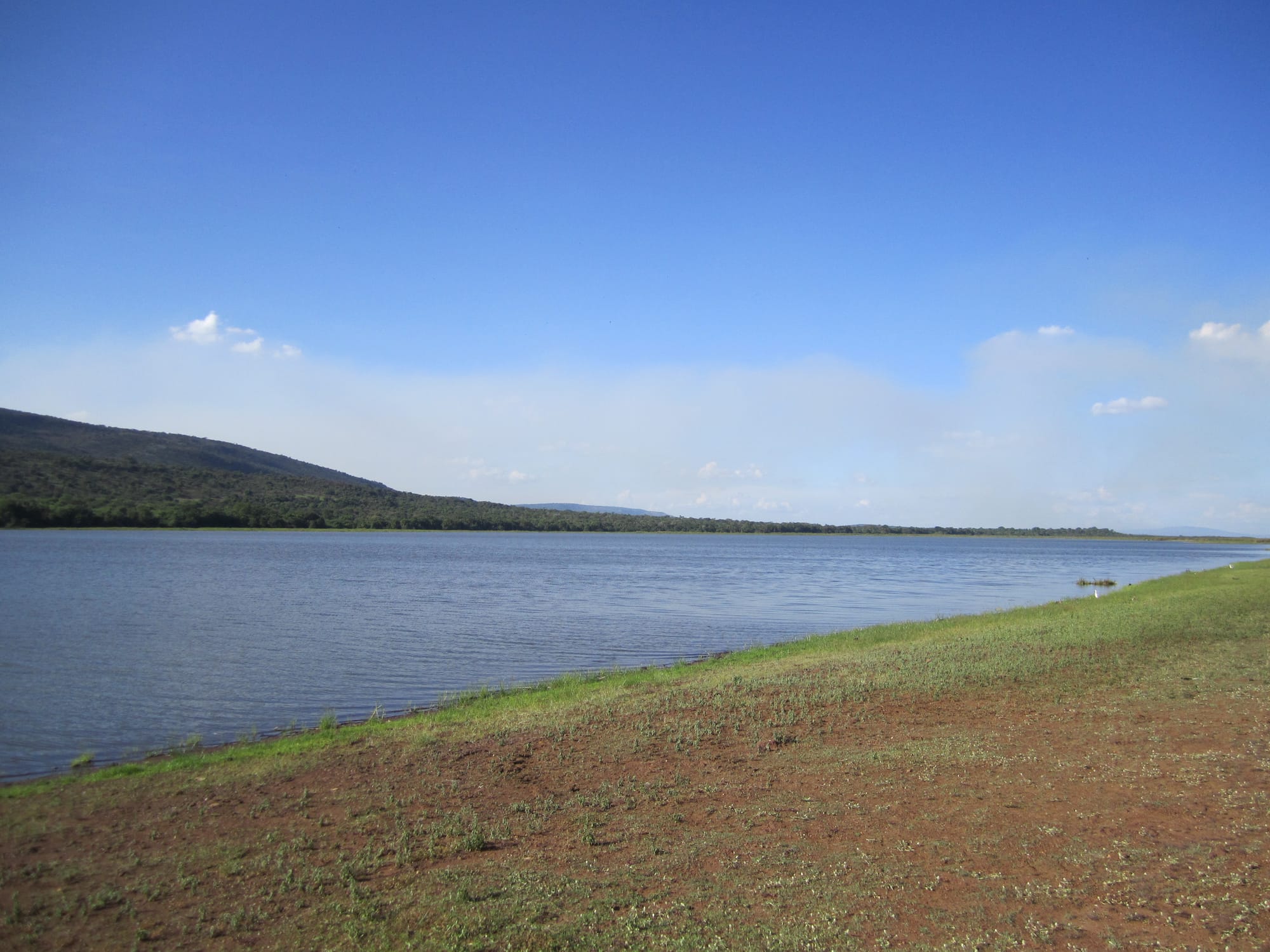
This is Akagera at its most straightforward. Rain is minimal, the grass has been grazed and burnt down to a manageable height, and the seasonal pans that spread animals across the park during the rains have dried up. Everything comes to the permanent lakes, which makes both game drives and boat safaris exceptional.
Tracks are firm, so the northern sector is easily reachable, and the light is clean and dry. The trade-off is that July and August are the busiest months of the year, in-park accommodation books out months ahead, and the landscape is more brown than green.
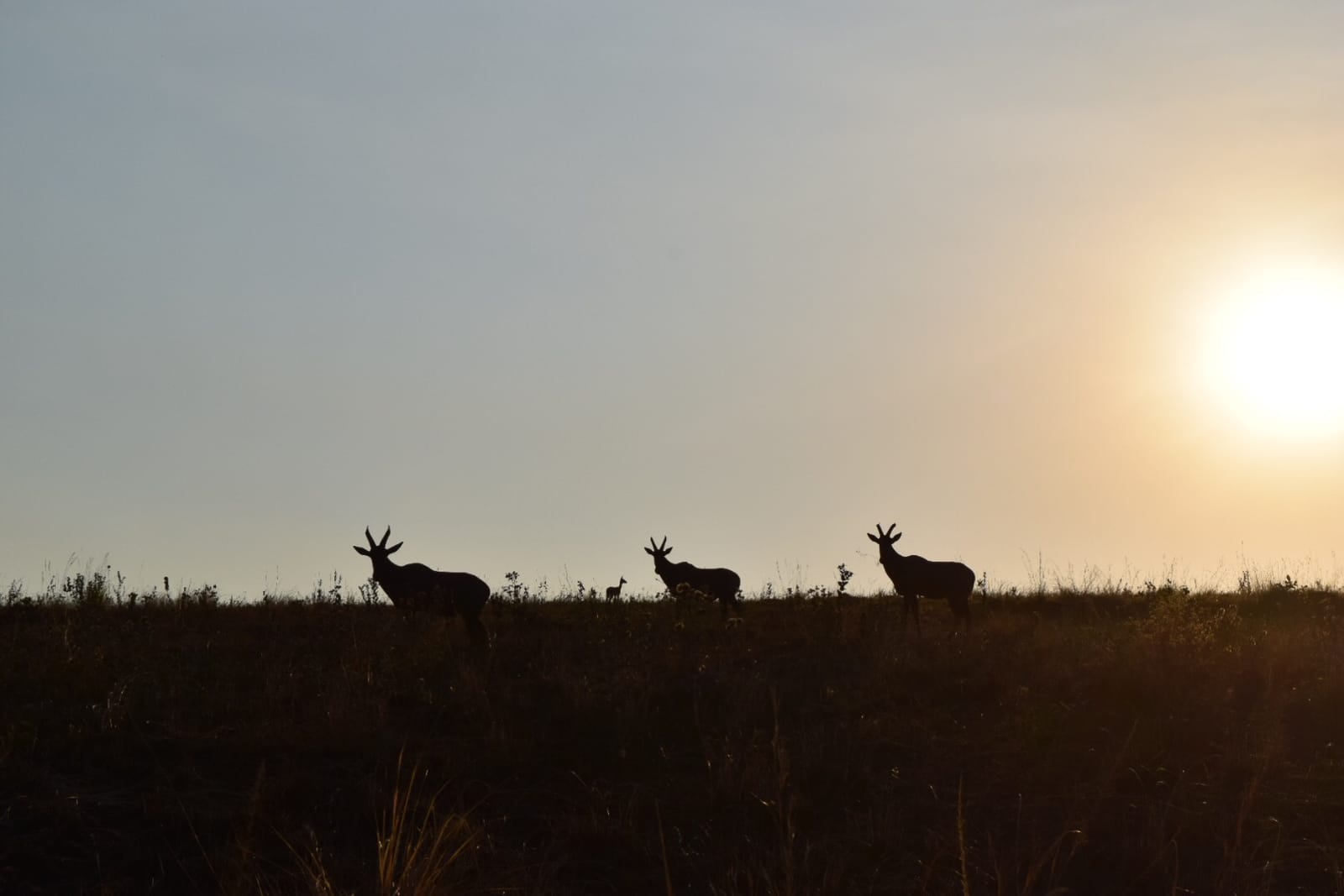
- Best game viewing of the year, particularly for predators
- Northern plains easily accessible
- Book lodges and camps two to three months ahead
- Cool mornings — bring a fleece for dawn drives
Short dry season · December to February
A shorter, warmer dry window that many regulars quietly prefer. Conditions are close to the mid-year peak — dry tracks, concentrated wildlife — but visitor numbers are lower outside the Christmas and New Year fortnight.
February is typically the hottest month of the year in eastern Rwanda, with highs around 28°C, and the middle of the day can be genuinely still and quiet. Plan your activity around dawn and dusk.
- Nearly peak-season game viewing with fewer vehicles
- Hottest months — start early and rest at midday
- Avoid the last two weeks of December if you dislike crowds
Long rains · March to May
The wettest stretch of the year, and the quietest. Rain usually arrives as heavy afternoon storms rather than all-day drizzle, so mornings are often clear and productive, but the cumulative effect is tall grass, soft tracks and animals dispersed across the park rather than concentrated at water.
It is also the most beautiful time to be here: the savannah is intensely green, the light after a storm is spectacular, and you will share sightings with almost nobody. Prices are at their lowest and last-minute availability is good.
- Lowest prices and fewest visitors of the year
- Green landscapes and dramatic post-storm light
- Tall grass makes spotting harder; northern tracks can be tough
- A 4x4 is essential, not optional
Short rains · October to November
A shorter wet season with brief, sharp storms and quick clearing. Game viewing remains good because the grass has not yet grown tall, and the arrival of Palearctic migrants in November makes it one of the two best birding windows of the year.
For travellers who want green scenery and low crowds without committing to the full long rains, this is the sweet spot.
- Excellent birding as migrants arrive
- Green landscapes with still-manageable grass
- Low visitor numbers and good availability