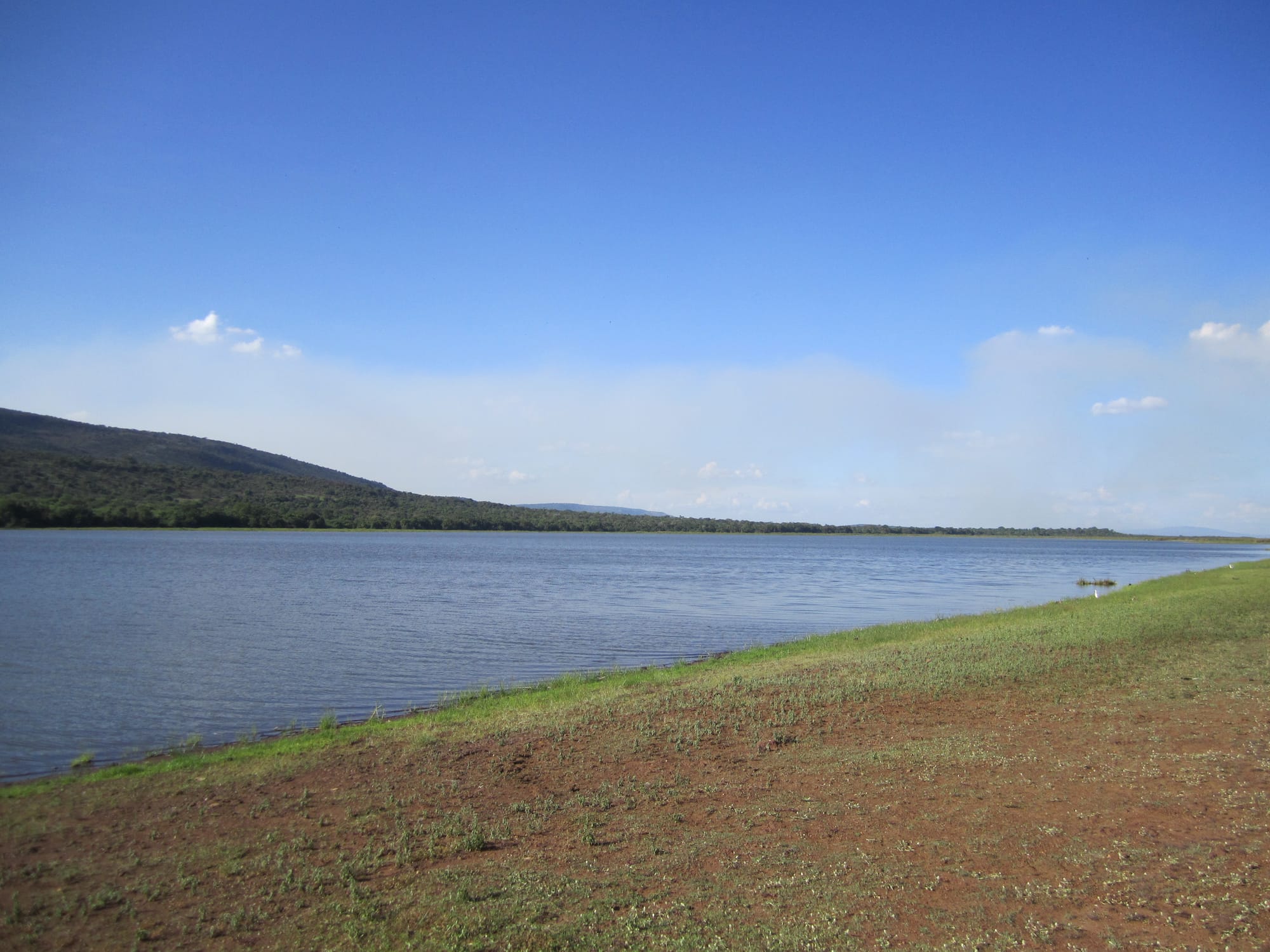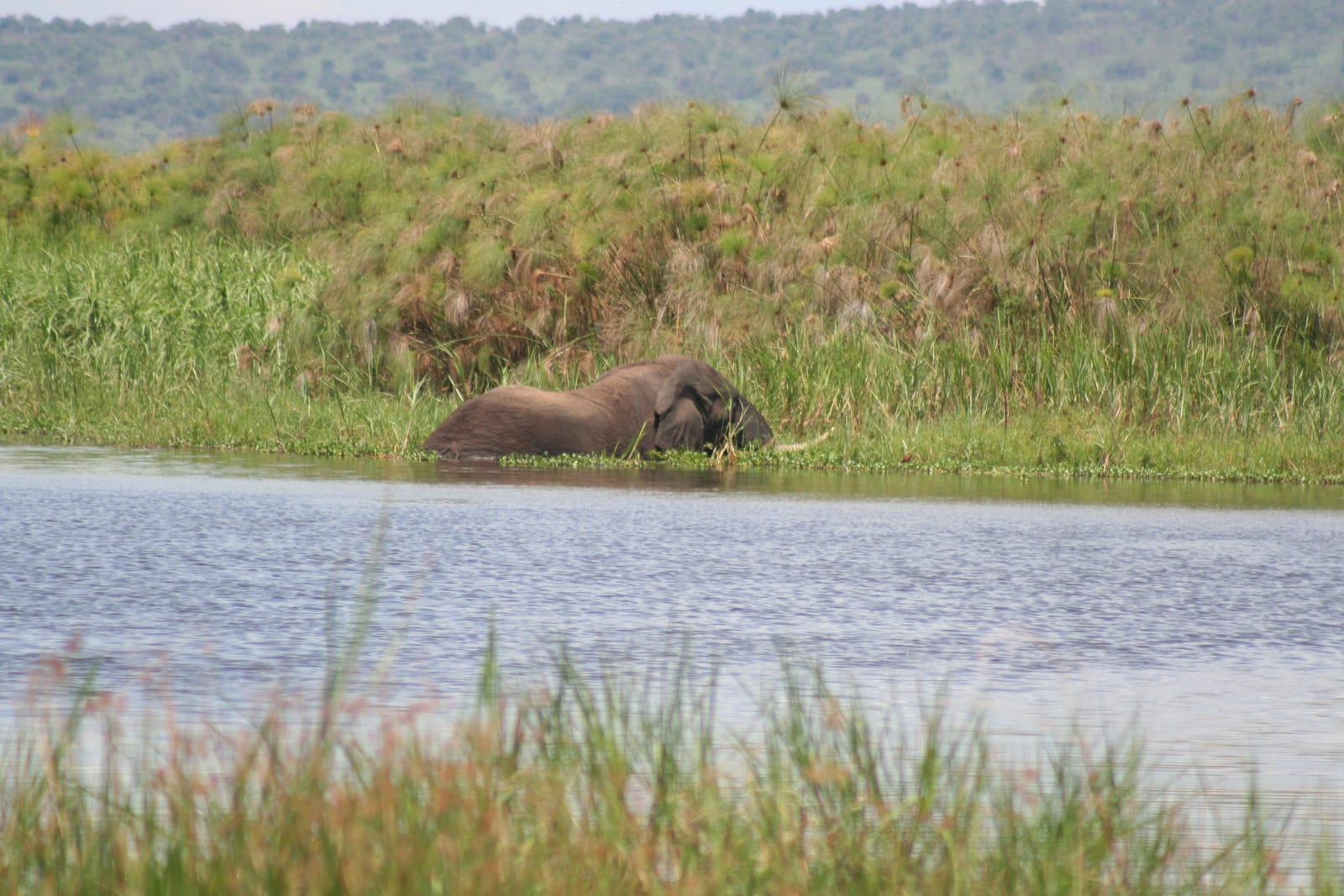
Rwanyakizinga closes the chain of lakes at Akagera’s northern end, and it is the part of the park where you are most likely to have a sighting entirely to yourself. Elephants — reintroduced to Rwanda in 1975 and now numbering well over a hundred — use the lake and the surrounding marsh heavily, and the papyrus edges hold sitatunga, the shy, swamp-dwelling antelope with splayed hooves built for soft ground.
The grasslands around the lake are also prime lion and buffalo country, and the combination of open plain, water and thicket means the density of large mammals here is the highest anywhere in the park.
This is where Akagera goes upmarket. Magashi Camp sits on a peninsula on the lake shore with a handful of tents looking out over the water — the kind of place where you watch hippos from your veranda and elephants walk through camp.
Top things to do at Lake Rwanyakizinga
Find the elephant herds
Mornings and late afternoons around the lake shore and the marsh margins are the most reliable times. Family groups with calves are a regular sight in the dry season.
Look for sitatunga
The papyrus swamps here are one of the few accessible places to look for sitatunga. Scan the reed edges slowly and quietly — they melt away at the first sign of a vehicle.
Take a boat on the northern lakes
Boat activities in the north are run privately by the camps rather than on a public schedule, which makes them quieter and more flexible than the Ihema trips.
Stay a night in the north
Being based up here transforms the trip: you can be on the plains at first light and out again at dusk, instead of losing four hours a day driving up from the south.
How to get to Lake Rwanyakizinga
- Access is via the northern Mutumba gate, roughly 3.5–4 hours from Kigali by road.
- From the southern gate, expect a full day of game driving to reach the lake.
- Guests of the northern camps can arrange a road transfer or, at extra cost, a helicopter transfer from Kigali.
- This is the part of Akagera worth building a two- or three-night trip around, not a stop on a day tour.
- Elephants are unpredictable around vehicles — give them room, keep the engine running and follow your guide’s lead.
- Bring a long lens: the best sightings here are often across water or open grass at distance.
Best safaris for Lake Rwanyakizinga
These top-rated experiences are the easiest way to see Lake Rwanyakizinga and the surrounding park:
 Multi-day safari from $860
 2-Day Akagera Wildlife Safari with Night Game Drive
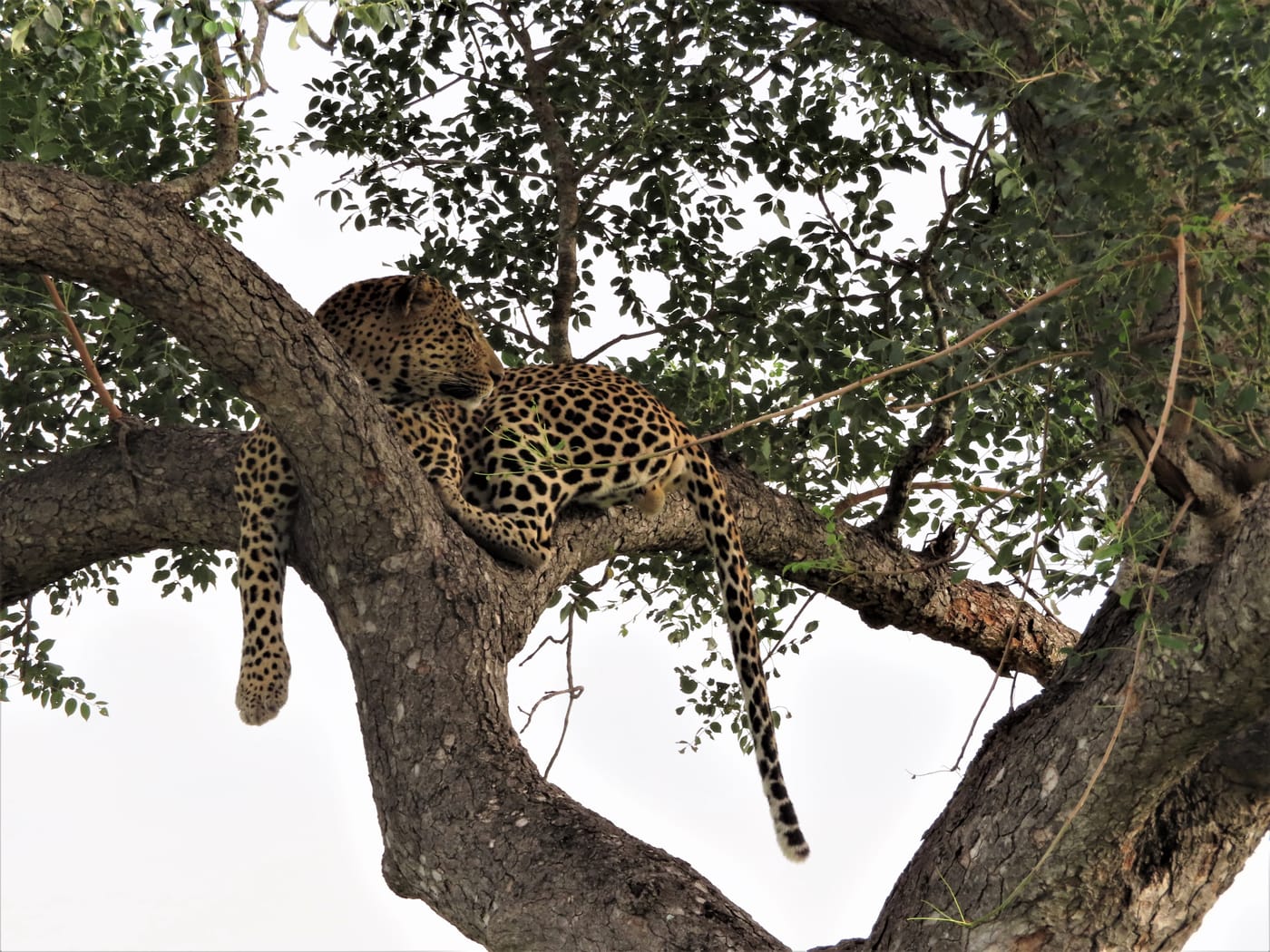
Night drives are the most underrated activity in Akagera, and this is the cleanest way to build one into a trip. After a full day in the park you head out again after dark with a park guide and spotlights, looking for the nocturnal species that a day itinerary never shows you: spotted hyena, serval, genet, white-tailed mongoose and bushbabies, with leopard as the prize. The Lake Ihema boat safari is included too.
- Guided night game drive with spotlights
- Hyena, serval, genet, bushbaby and — with luck — leopard
- Lake Ihema boat safari and a full day of game driving
Best for: Wildlife enthusiasts, repeat safari-goers, predator hunters
from US$860 per person
 Multi-day safari from $490
 2-Day Akagera Big Five Safari with Hilltop Camping
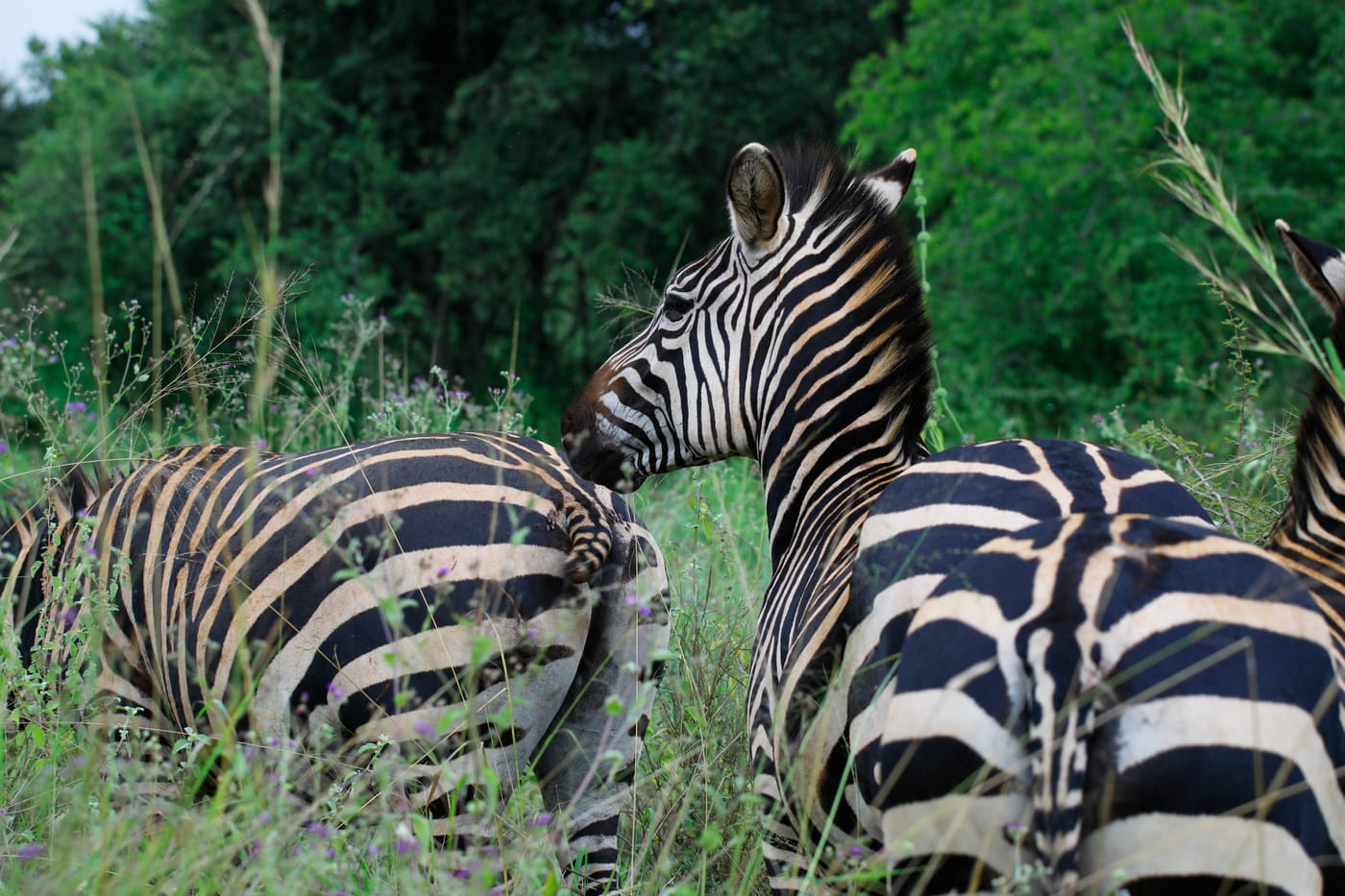
The cheapest realistic way to reach Akagera’s northern plains, which is where the lions and the biggest herds are. You game drive up through the park on day one, camp on the high ground with a fire and an enormous night sky, and are out on the plains again at first light — the single most productive game-viewing hour of any Akagera itinerary. Basic, brilliant and very well reviewed.
- Two full days of game driving, including the northern plains
- Camping on the park’s highest ground with bushfire and stargazing
- Big Five, plus 500+ recorded bird species
Best for: Adventurous travellers, budget-conscious wildlife lovers, backpackers
from US$490 per person
 Multi-day safari from $850
 From Kigali: 2-Day Akagera Safari with Lake Ihema Boat Cruise
A two-day itinerary that gives equal weight to the land and the water. You cruise Lake Ihema for hippos, crocodiles and fish eagles, game drive through the savannah for the Big Five, and get a proper explanation of how a park that lost its lions in the 1990s became a fenced Big Five reserve again — which is, arguably, the most interesting thing about Akagera.
- Boat cruise on Lake Ihema among hippos and crocodiles
- Game drives across the southern and northern sectors
- Briefing on Akagera’s conservation and reintroduction story
Best for: Curious travellers, conservation-minded visitors, birders
from US$850 per person