Skip to content
Where to go

Places to see in Akagera

Akagera is 90 km long and every part of it looks different. Here is where to go, what you will find and how much driving it takes.

Most first-time visitors see only the southern quarter of Akagera — the lakes around the main gate — and go home happy. But the park changes completely as you drive north, from papyrus wetland and dense acacia thicket to open grassland and hill country at nearly 1,800 metres.

Understanding that geography is the single most useful thing you can do before booking. It determines whether a one-day trip makes sense, whether you need to stay overnight, and which gate you should enter through.

Lakes & wetlands

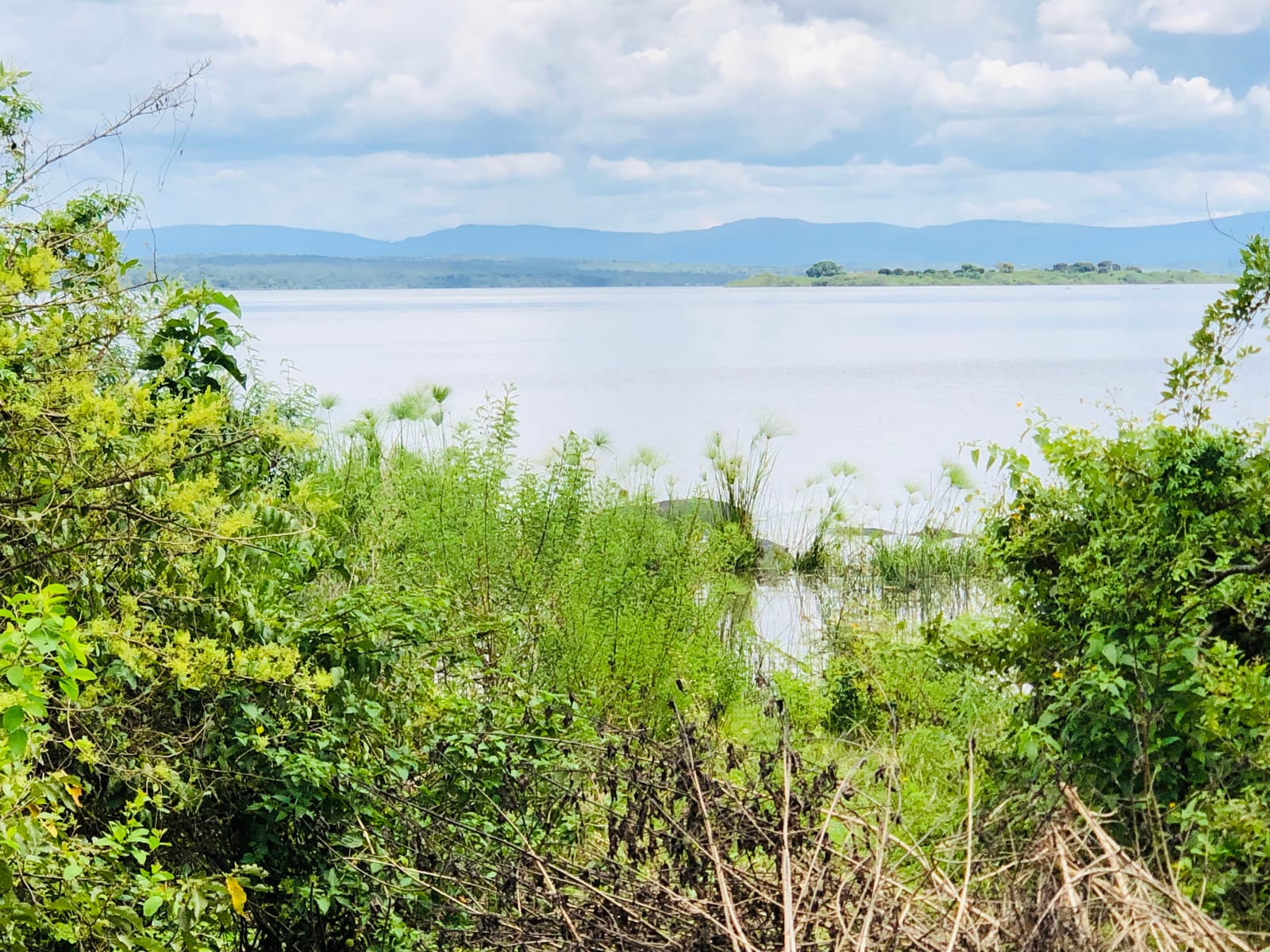
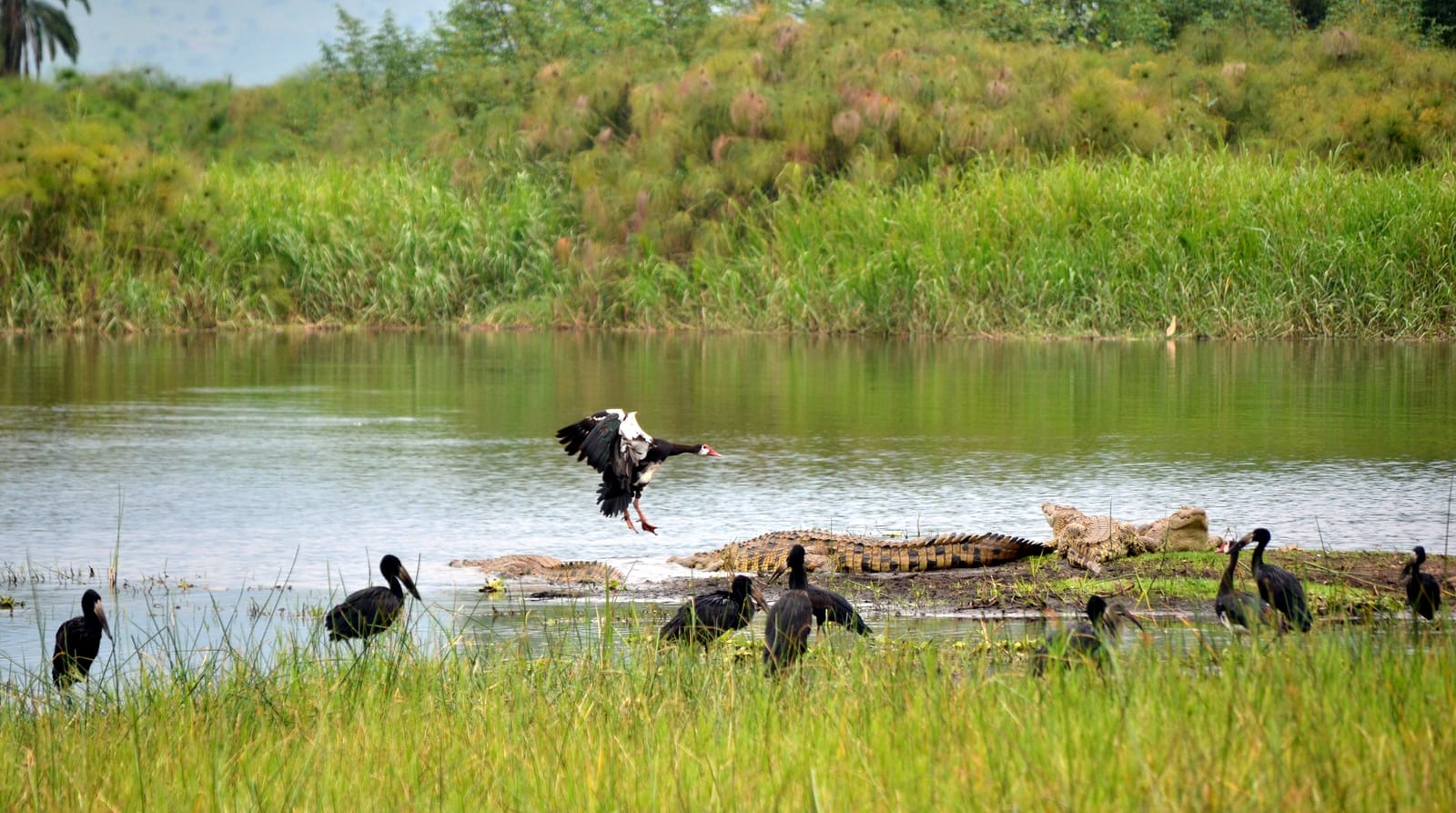
A chain of ten lakes strung along the Akagera River forms the largest protected wetland in central Africa. This is where the hippos, crocodiles and the great majority of the birdlife are — and where the boat safaris run.

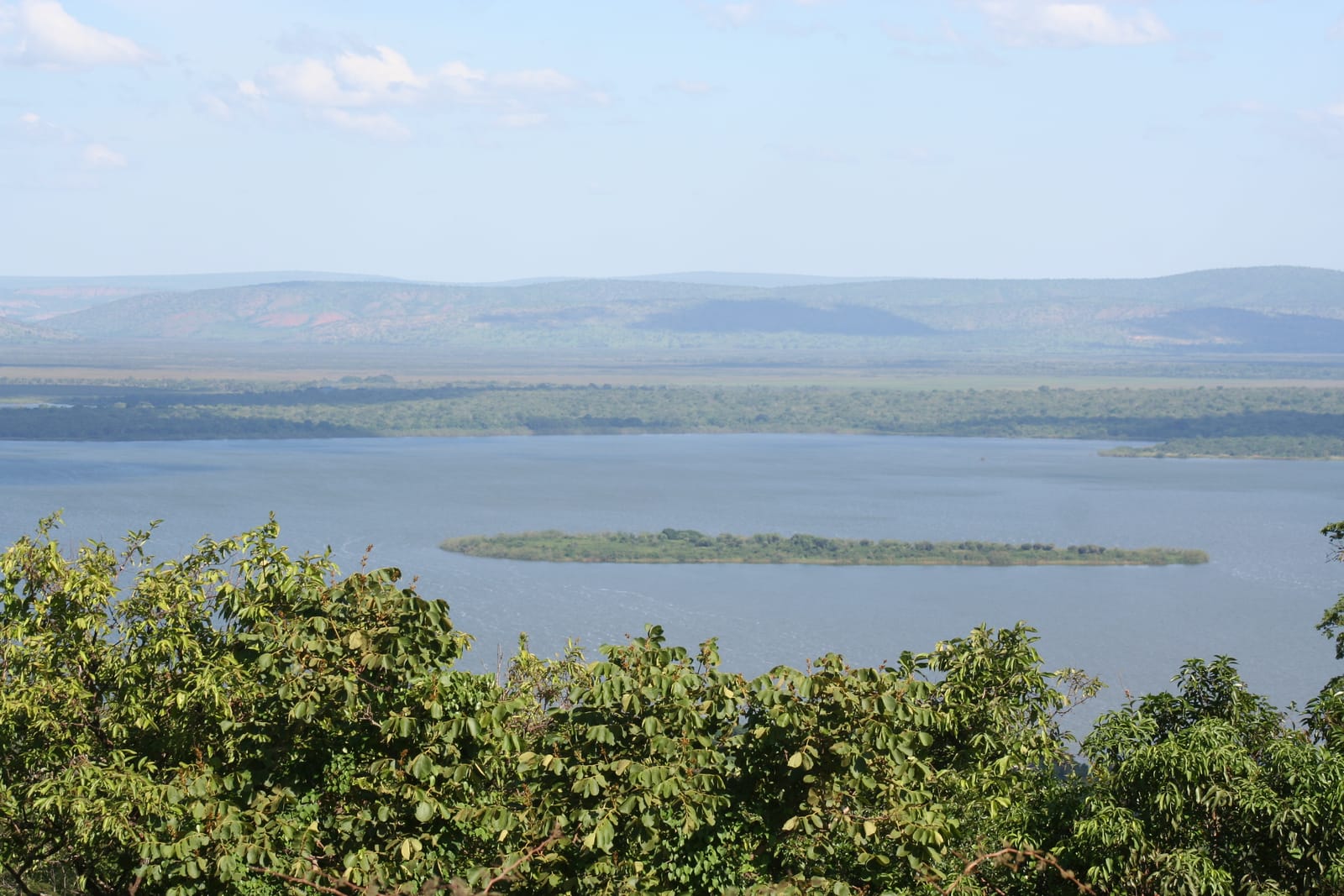
Wide view over Lake Ihema in Akagera National Park at golden hour Lakes & wetlands

Lake Ihema

Hippos, crocodiles and Rwanda’s best boat safari

The largest of Akagera’s lakes and the second-largest in Rwanda, Lake Ihema is where the park’s signature boat safari sets off — an hour among snorting hippo pods, basking Nile crocodiles and papyrus fringes alive with fish eagles and kingfishers.
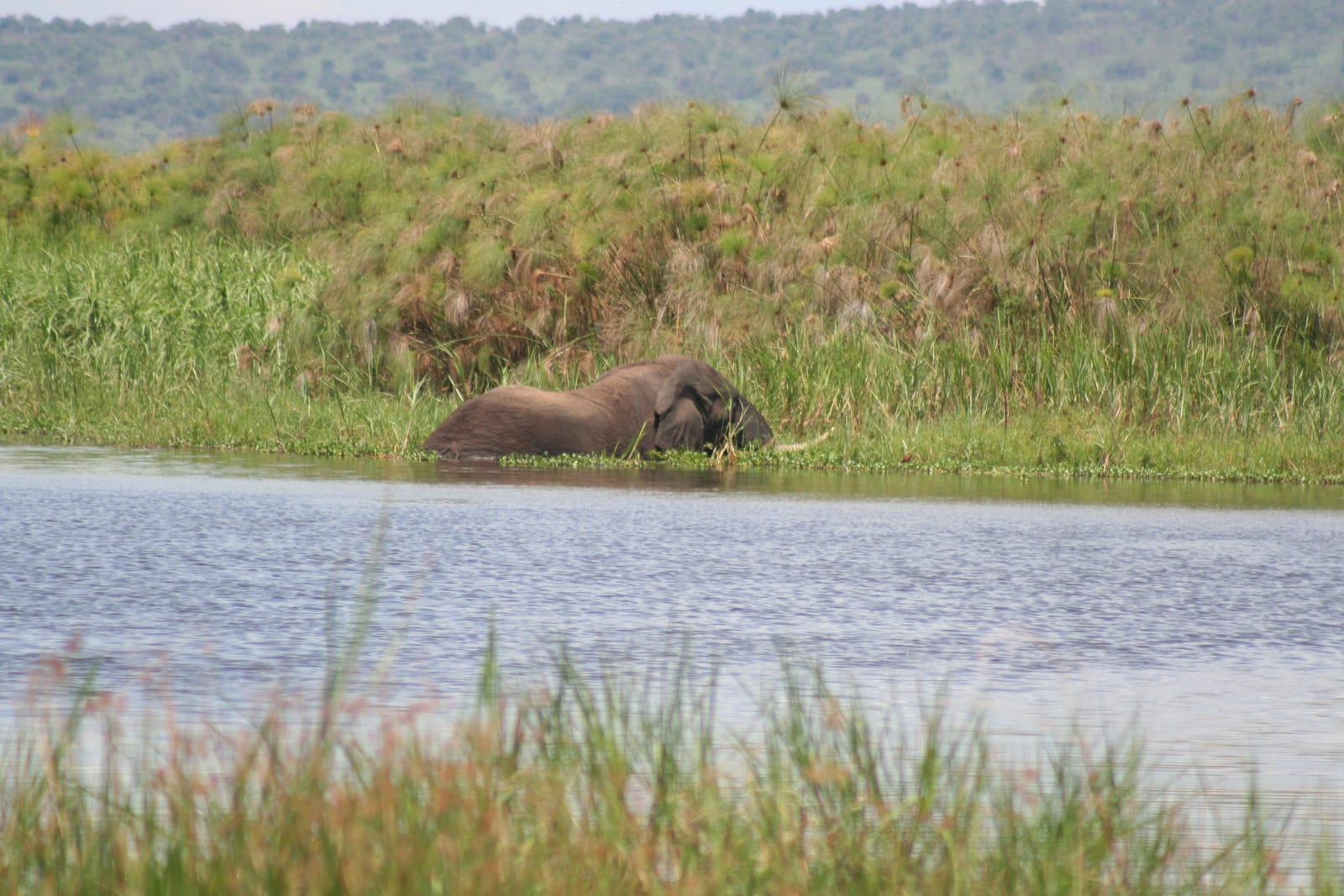
An elephant standing in the shallows of a lake in Akagera National Park Lakes & wetlands

Lake Rwanyakizinga

Elephant country in the far north

The northernmost lake in the Akagera chain, ringed by grassland and best known for the elephant herds that come down to drink and bathe. Quiet, remote and home to the park’s most exclusive tented camp.

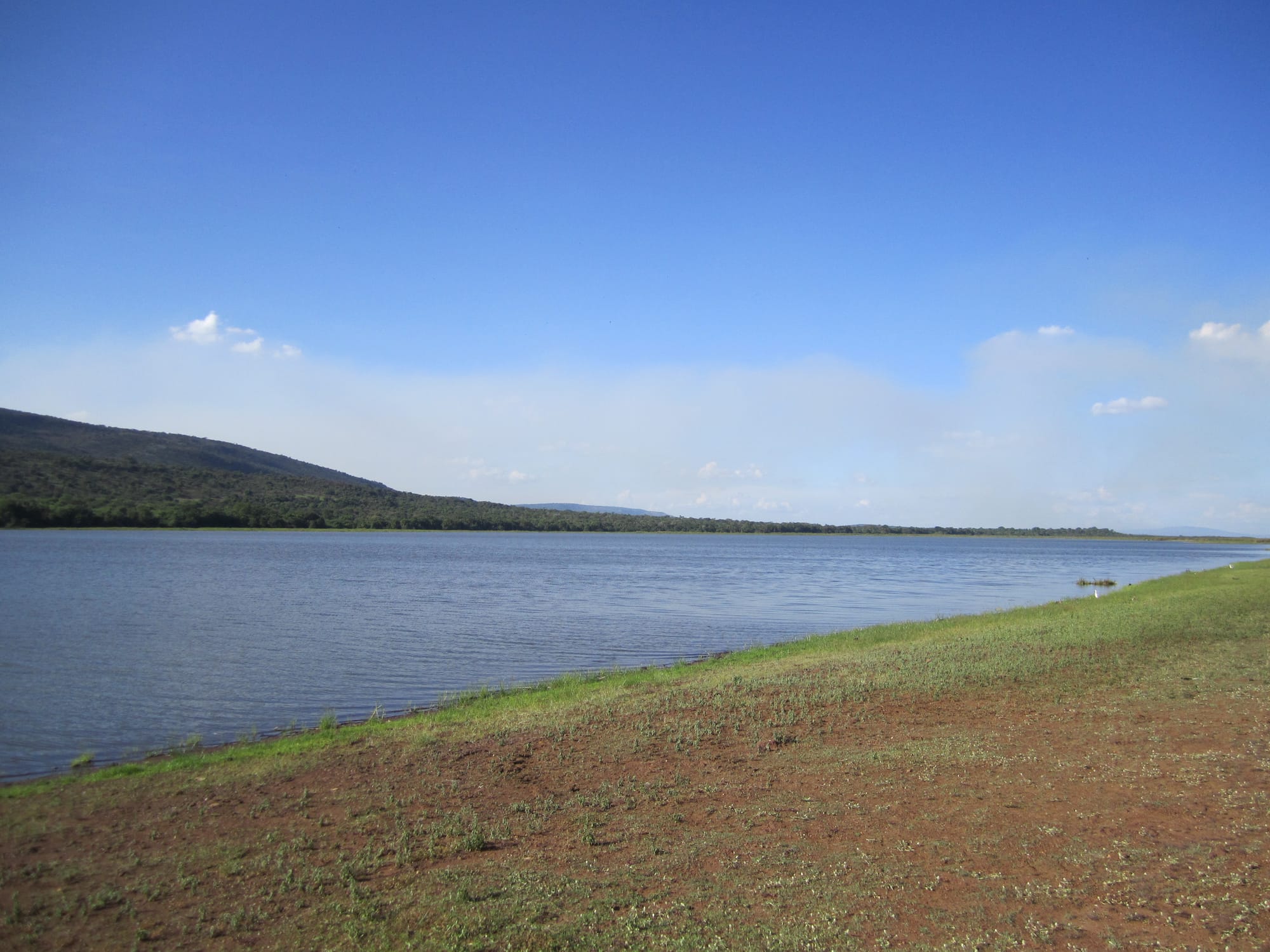
Reed-fringed lake shore in the southern sector of Akagera National Park Lakes & wetlands

Lake Shakani

Lakeside camping, fishing and hippos at bedtime

A small, reed-fringed lake in Akagera’s south with an unfenced public campsite right on the water — the place to fall asleep to hippos grunting a few metres away and wake up to fish eagles calling.

Savannah & hills

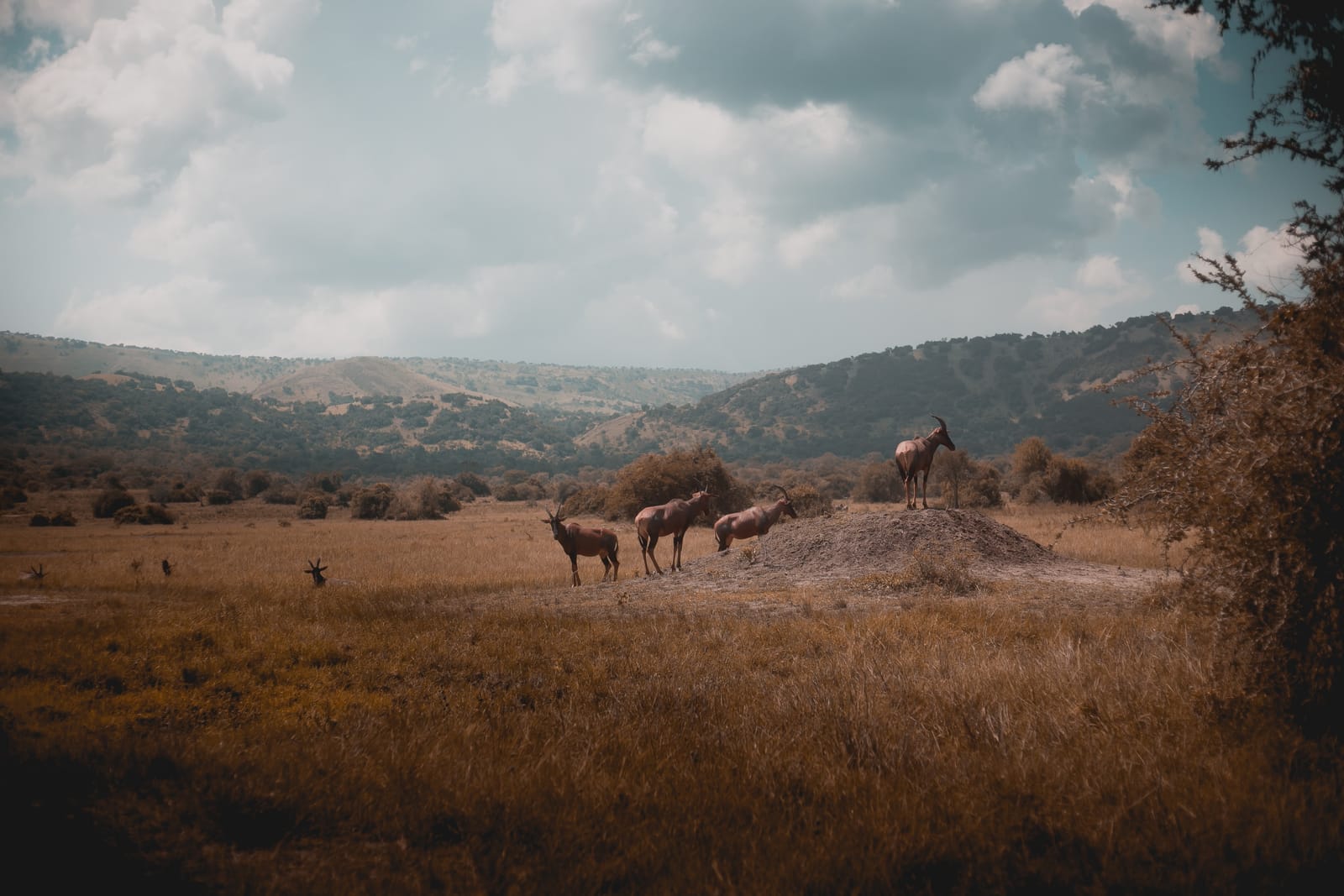
North and west of the lakes the park opens out into rolling grassland and hills. This is where the lions, the biggest herds and the widest views are, and it takes real driving to reach.

Open savannah grassland stretching to the hills in Akagera National Park Savannah & hills

Kilala Plain

Open northern grassland — the park’s prime big-game country

Wide, almost treeless grassland in the north of Akagera where the park’s biggest herds gather. This is where lion sightings, big buffalo herds and elephant come together on one horizon — the most classically "African savannah" landscape in Rwanda.

Rolling hills and savannah under a wide sky in northern Akagera National Park Savannah & hills

Mutumba Hills

The viewpoint that puts the whole park at your feet

A ridge of rolling hills in the north of Akagera topped by a campsite and a panorama that stretches over the plains to the Akagera River and Tanzania beyond. The best sunrise and sunset spot in the park, and a fine place to camp.

Wildlife highlights

Some of Akagera’s highlights are not places but stories: the return of lions and rhinos, and a bird list of nearly 500 species built on the wetlands along the river.

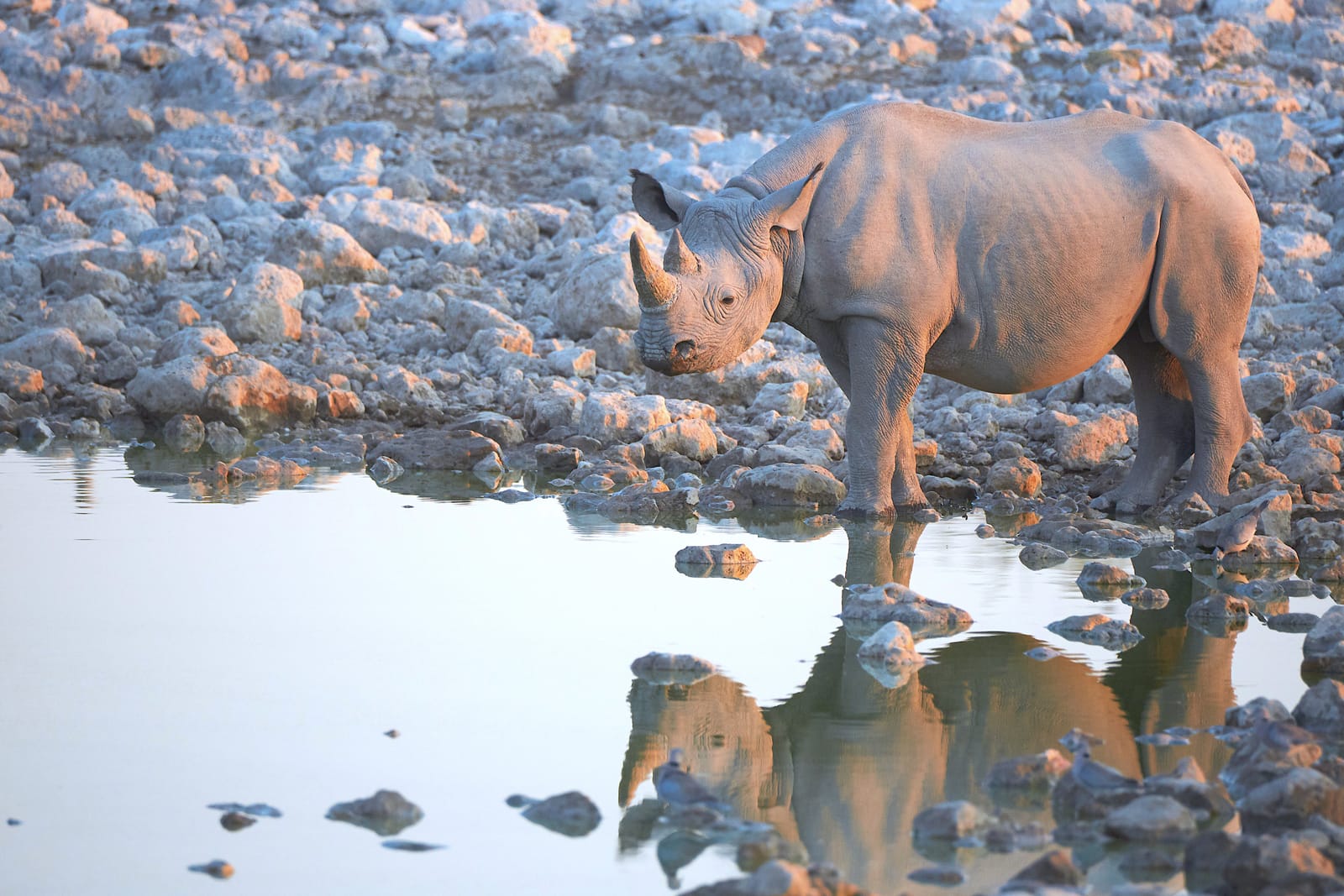
A black rhinoceros in golden evening light on the African savannah Wildlife highlights

Big Five Country

How Akagera became a Big Five park again

Lions returned in 2015, eastern black rhinos in 2017 and white rhinos in 2021 — making Akagera the only Big Five destination in Rwanda and one of Africa’s great conservation comeback stories.

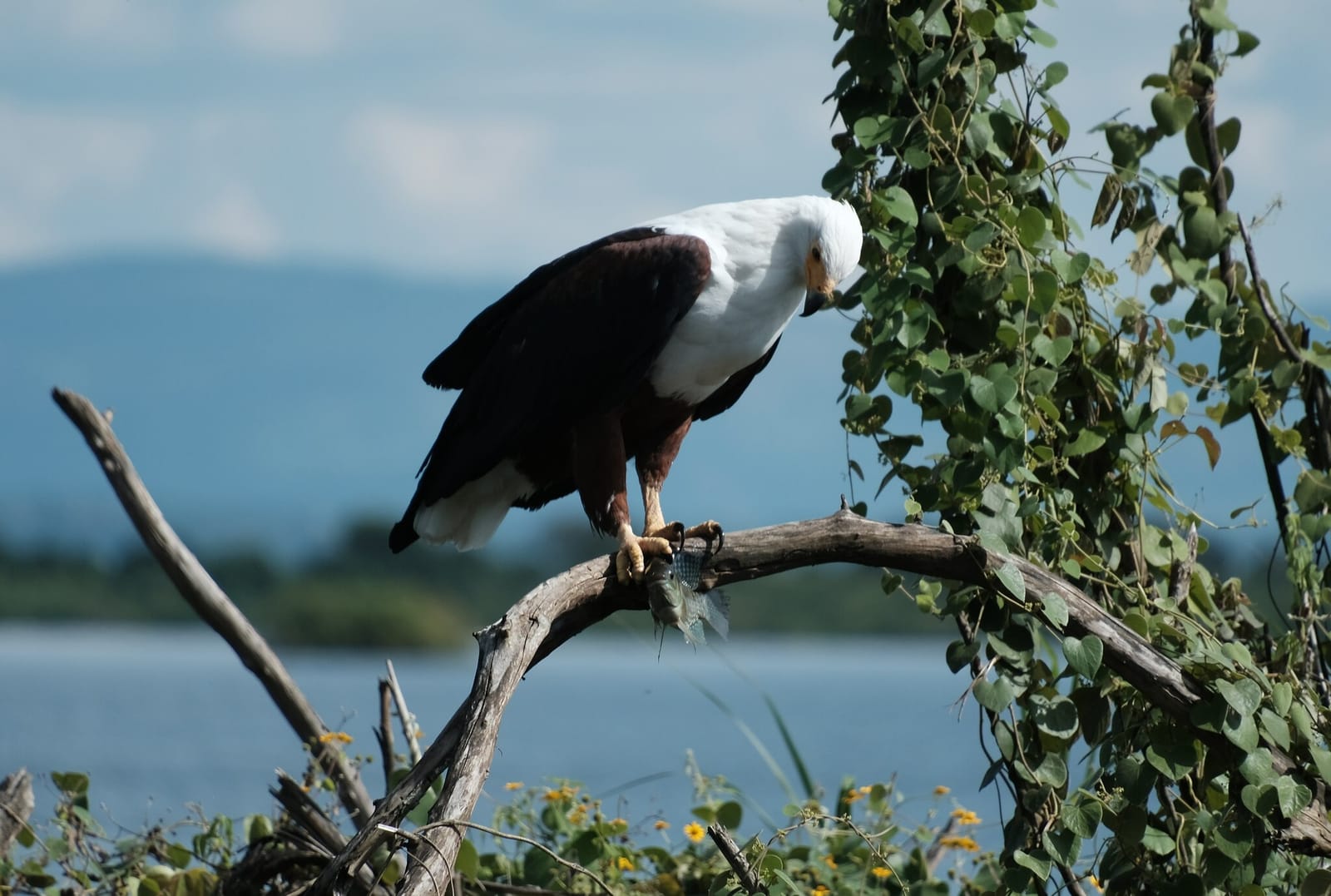
An African fish eagle perched above the water in Rwanda Wildlife highlights

The Papyrus Wetlands

Nearly 500 bird species — including the shoebill

The swamps and lake margins along the Akagera River form the largest protected wetland in central Africa, and they make the park one of the continent’s most rewarding accessible birding destinations.

Gateway

Kigali is where almost every Akagera trip begins and ends. It is worth a day of its own.

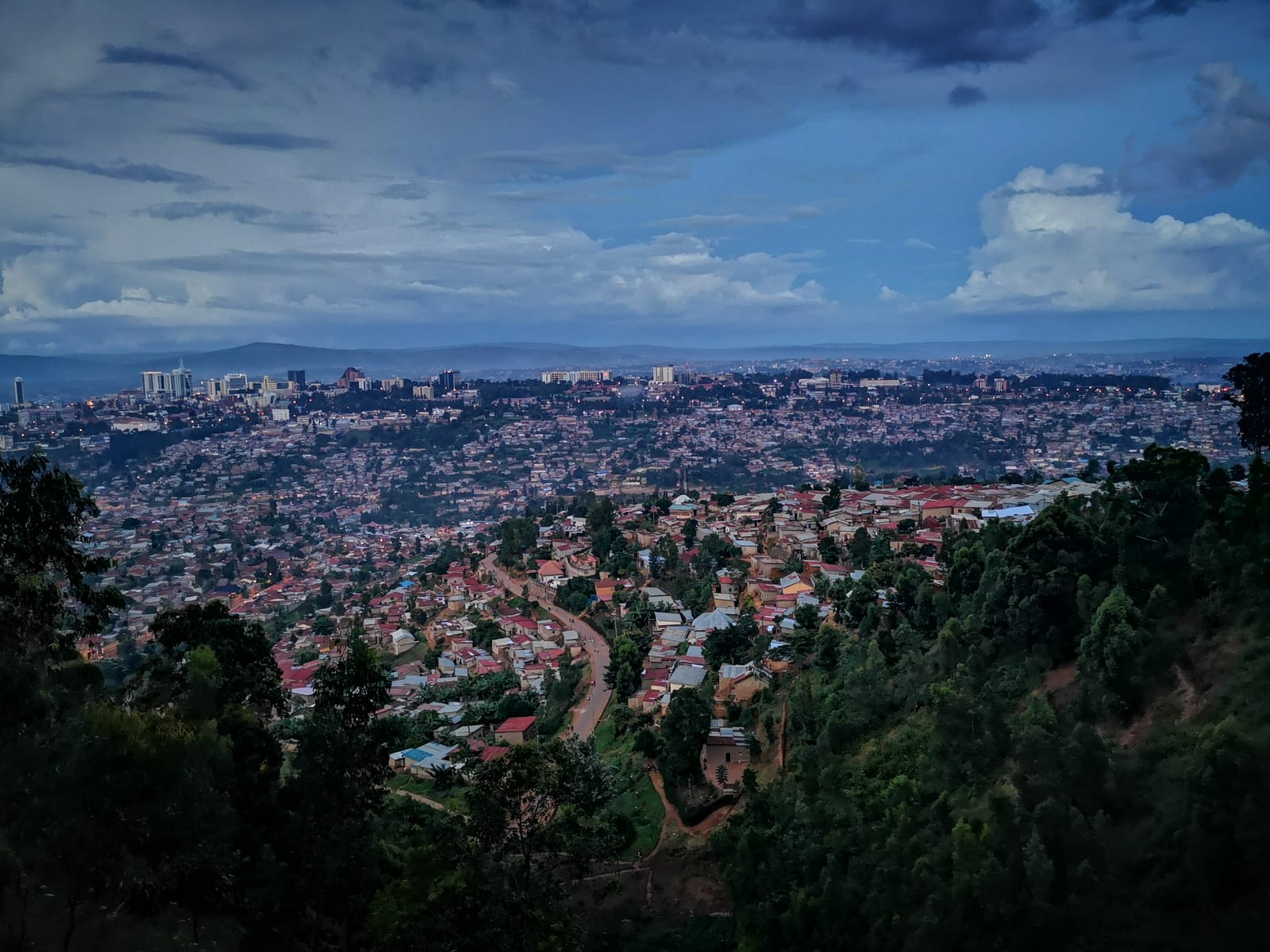
View across the hills and buildings of Kigali, Rwanda Gateway

Kigali

Rwanda’s calm, green capital — and your gateway to Akagera

Almost every Akagera safari starts and ends in Kigali, 2.5 hours away by road. Give it a day: the capital is clean, safe, green and home to the deeply moving Kigali Genocide Memorial.

Plan your Akagera safari

Make Akagera the highlight of your Rwanda trip

Big Five game drives, hippo-filled lakes and nearly 500 bird species — just 2.5 hours from Kigali. Compare safaris, boat trips and multi-day itineraries and book in a couple of taps.

Good to know

Getting around Akagera: FAQs

Frequently asked questions

How big is Akagera National Park?

The park covers about 1,122 square kilometres and is roughly 90 km long from north to south. It once covered more than twice that area before land was resettled in the late 1990s.

Which part of Akagera is best?

The south is easiest and holds the lakes, the boat safari and dense birdlife. The north has the open plains, the lions and the biggest herds. If you have one day, do the south; if you have two, go north on day two.

Can you drive around Akagera in one day?

You can drive a southern loop comfortably in a day. Driving the full length of the park and back in one day is possible but leaves little time for actual game viewing — plan an overnight stay instead.