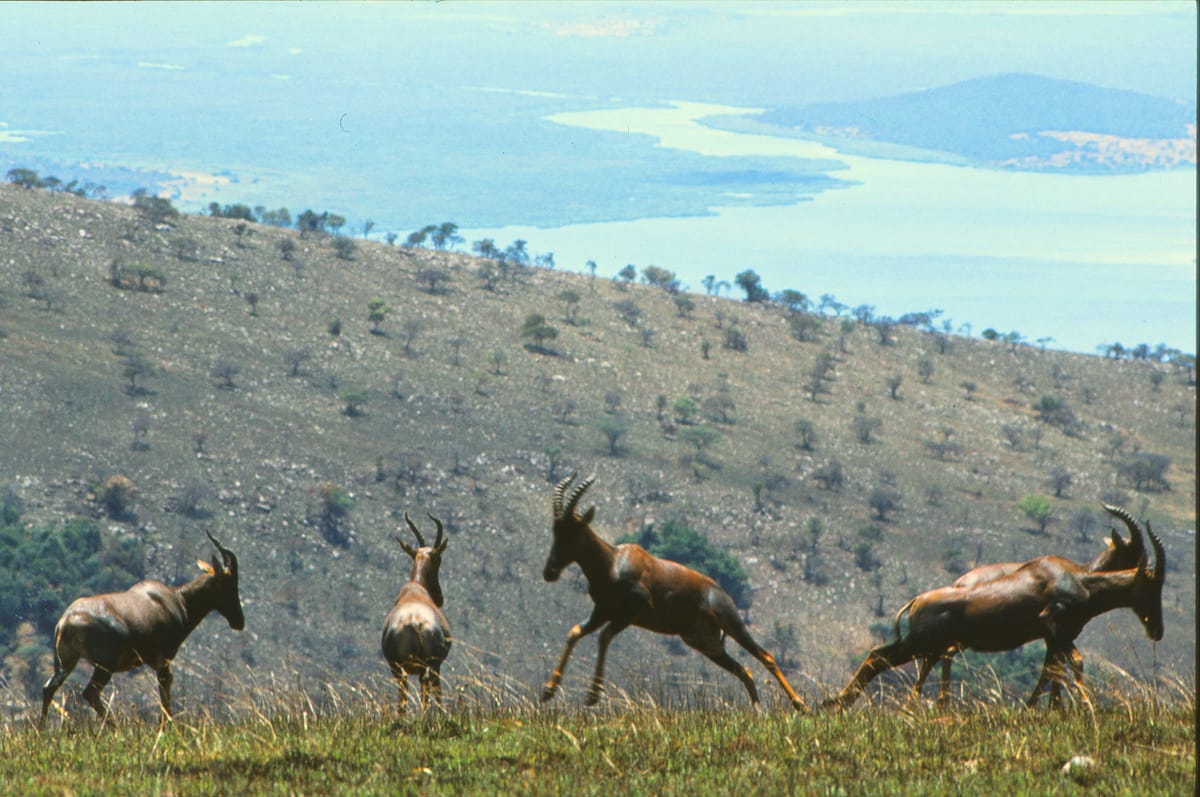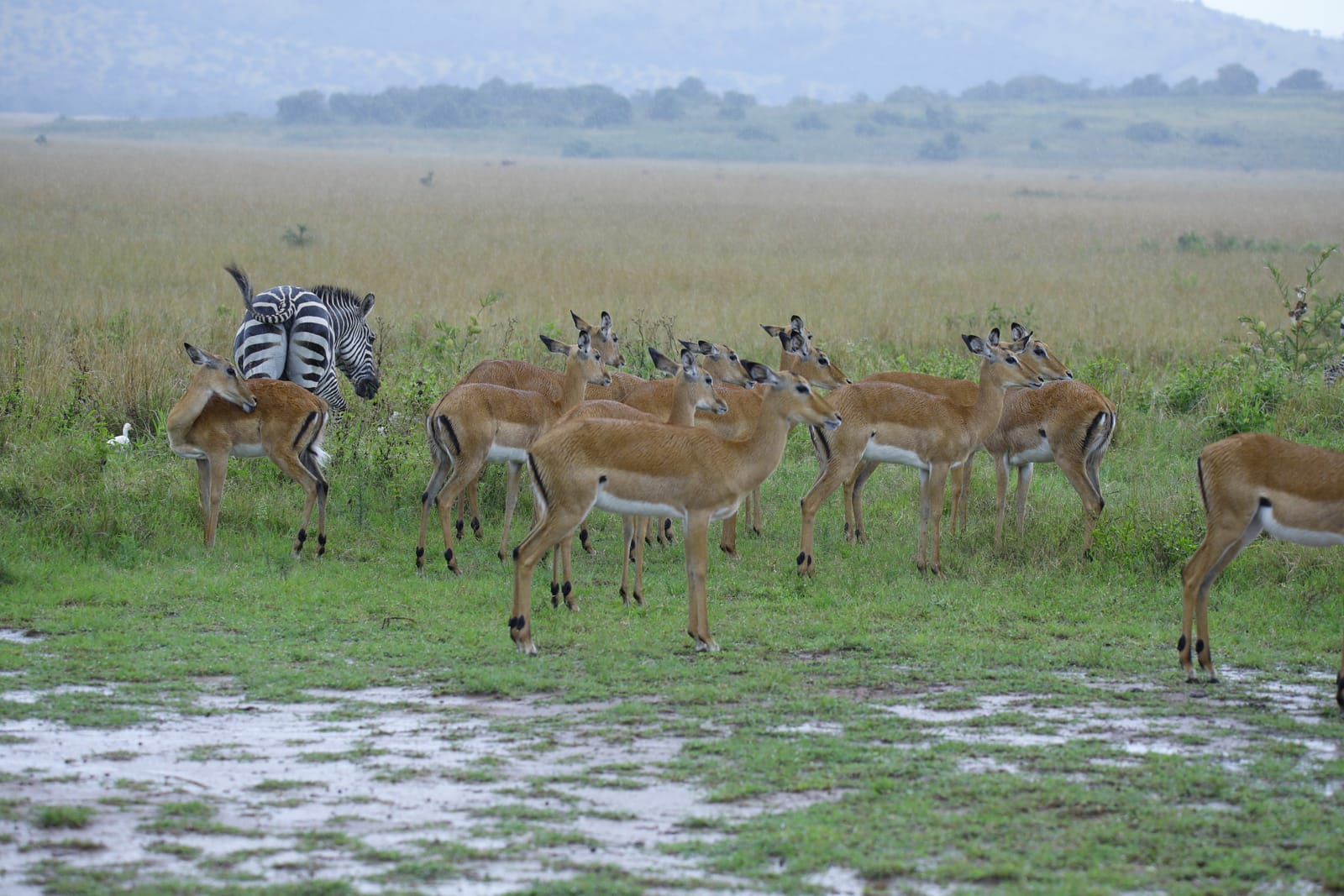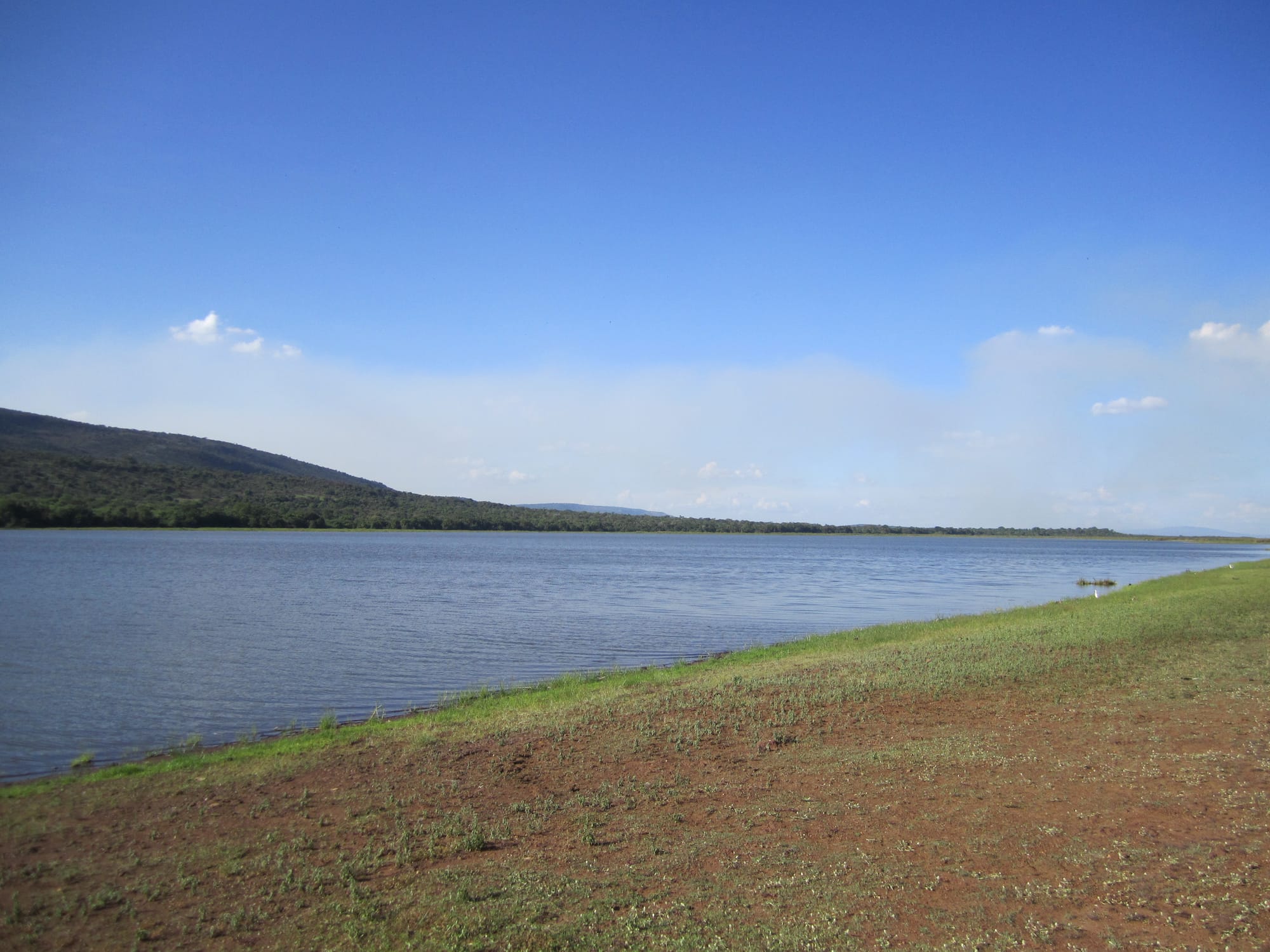
Akagera works because it packs an unusual number of habitats into a small area. In one morning you can move from papyrus swamp to open lake, through acacia woodland and thicket, and up onto montane grassland at 1,800 metres — and each of those holds a different set of species.
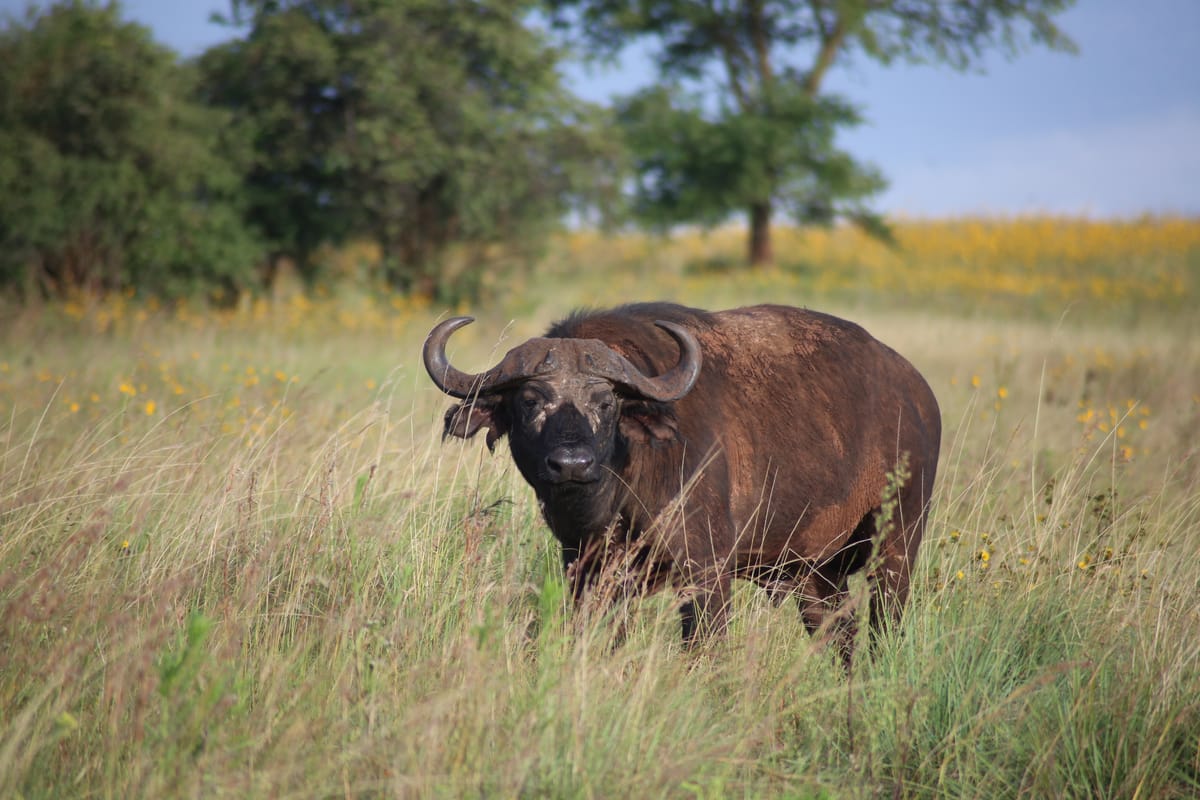
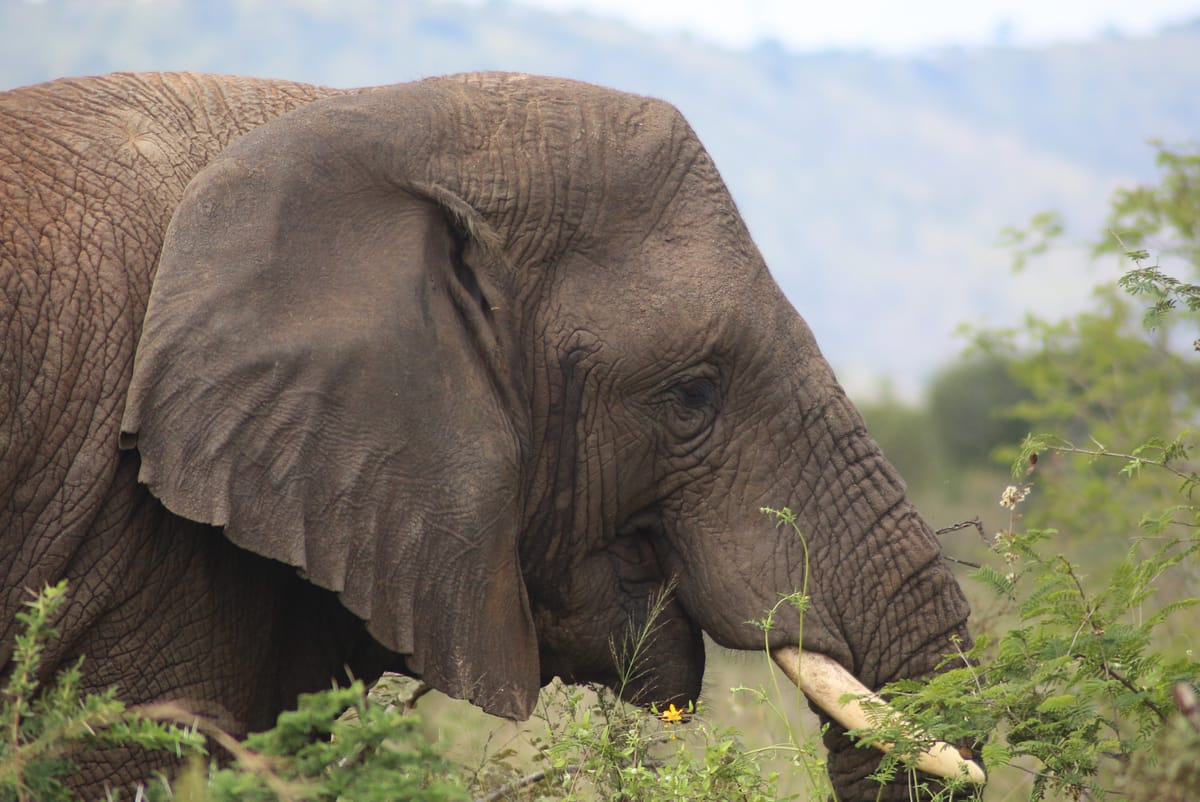
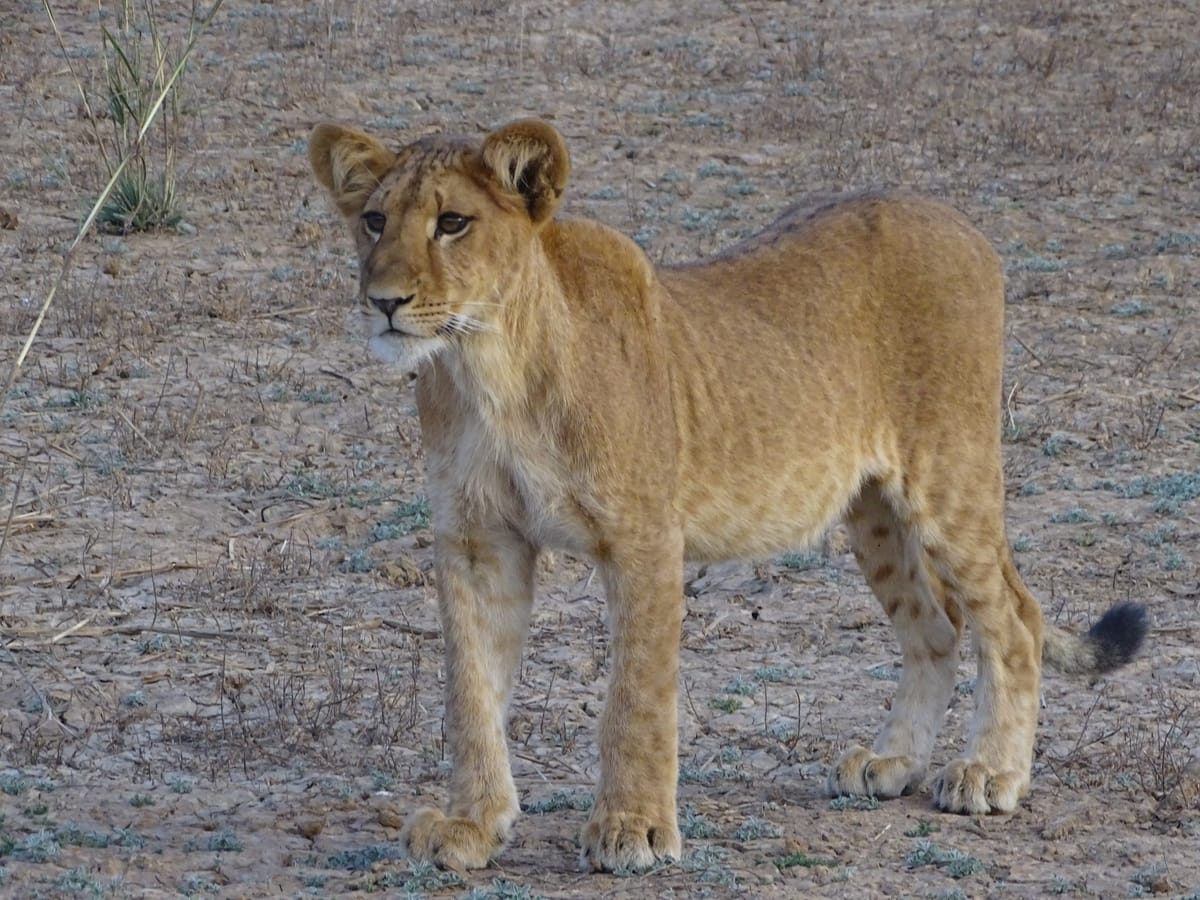
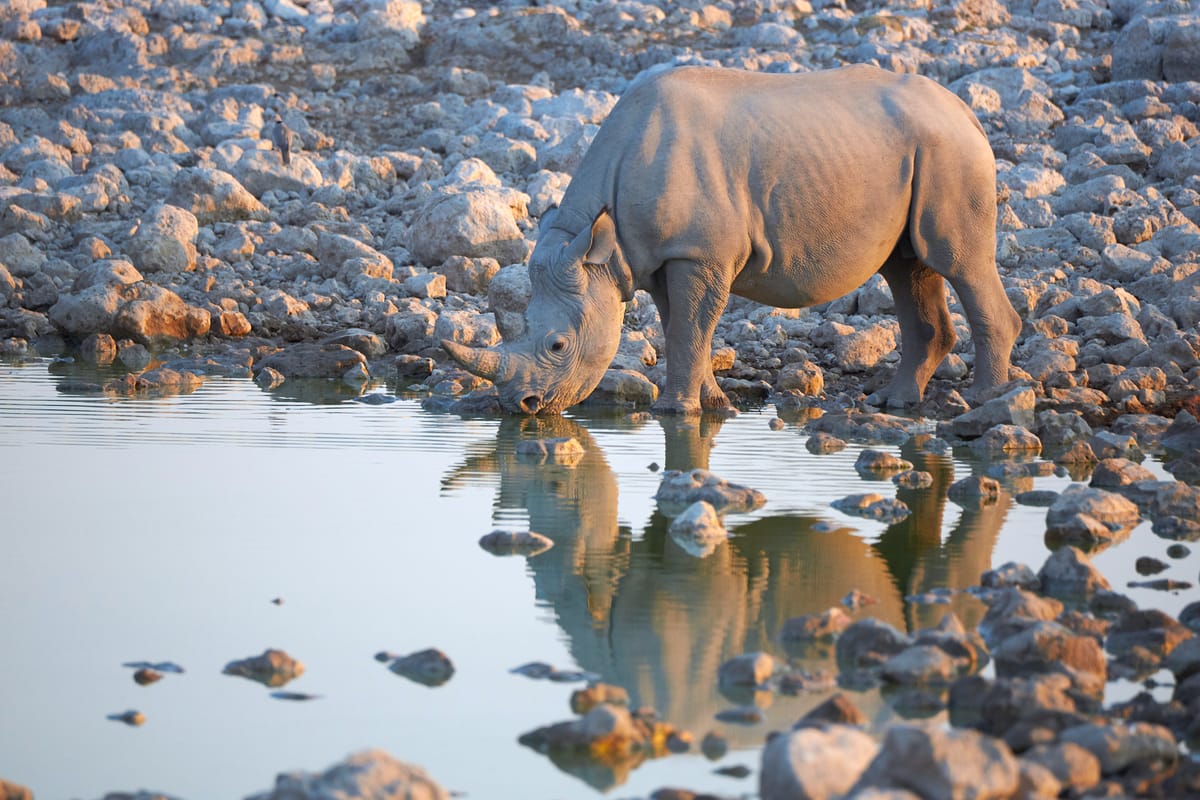
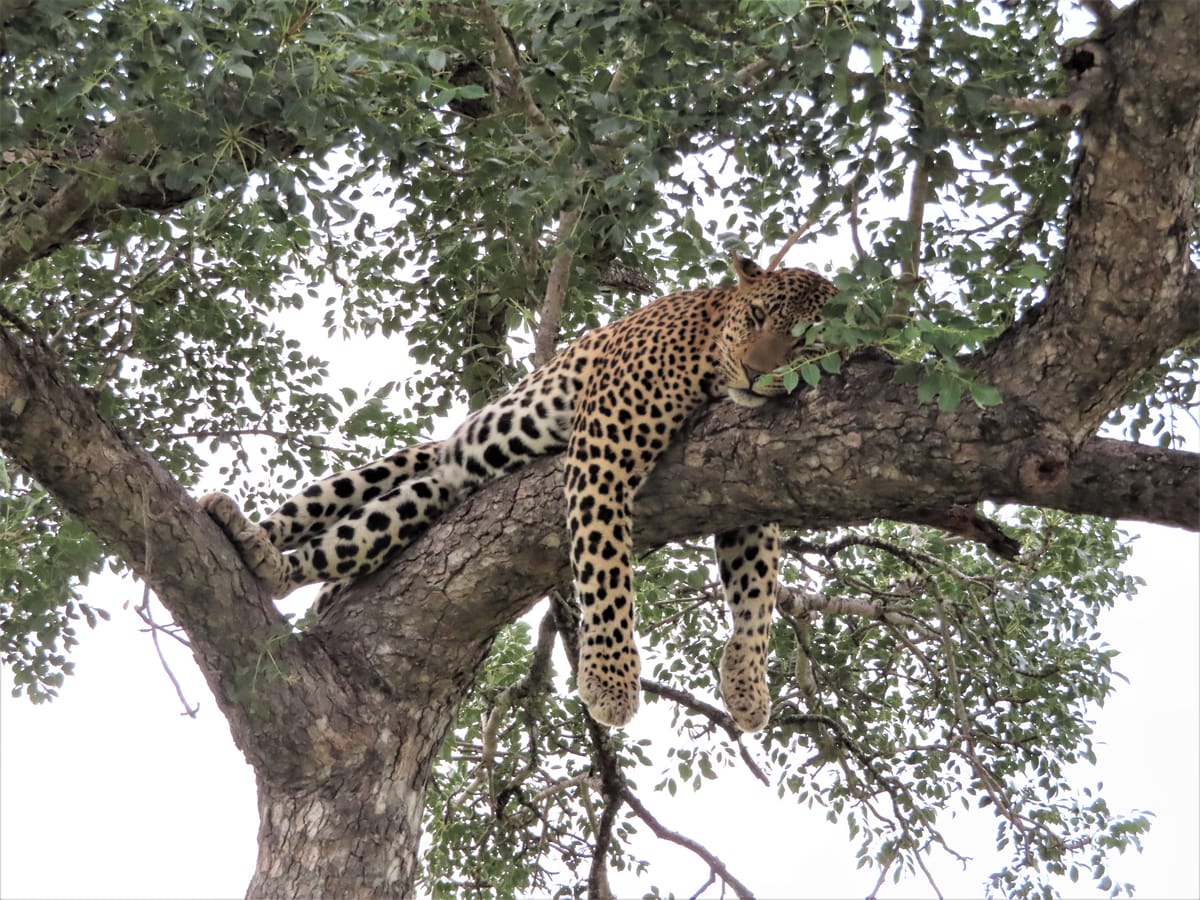
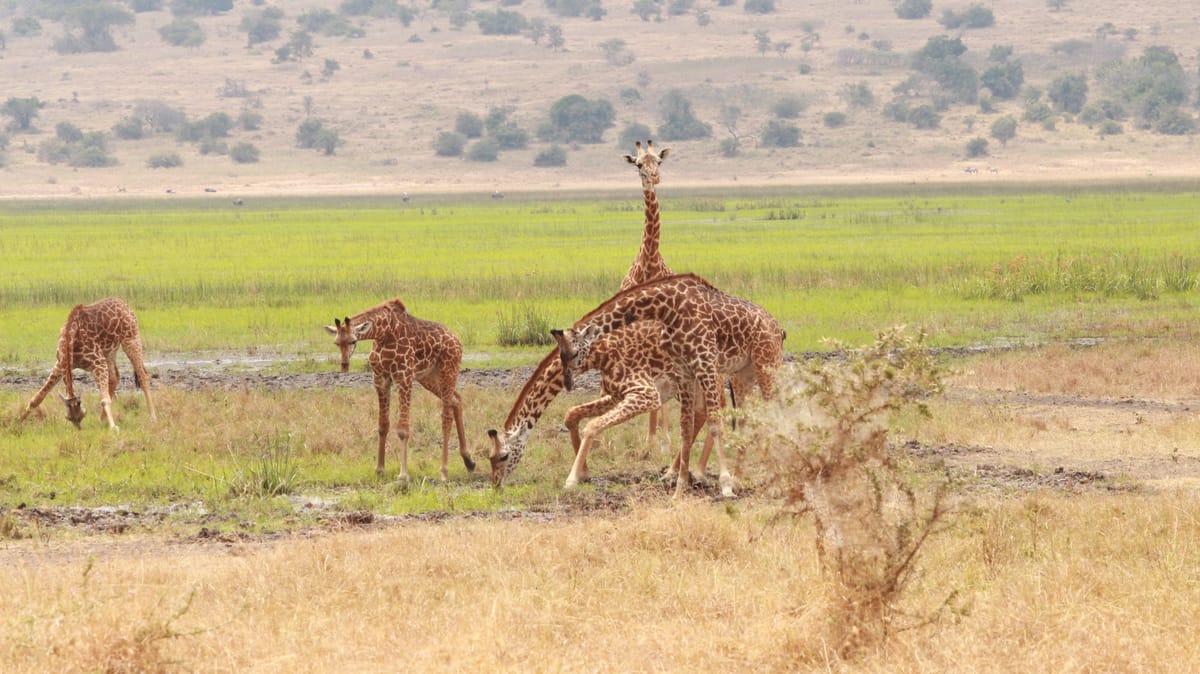
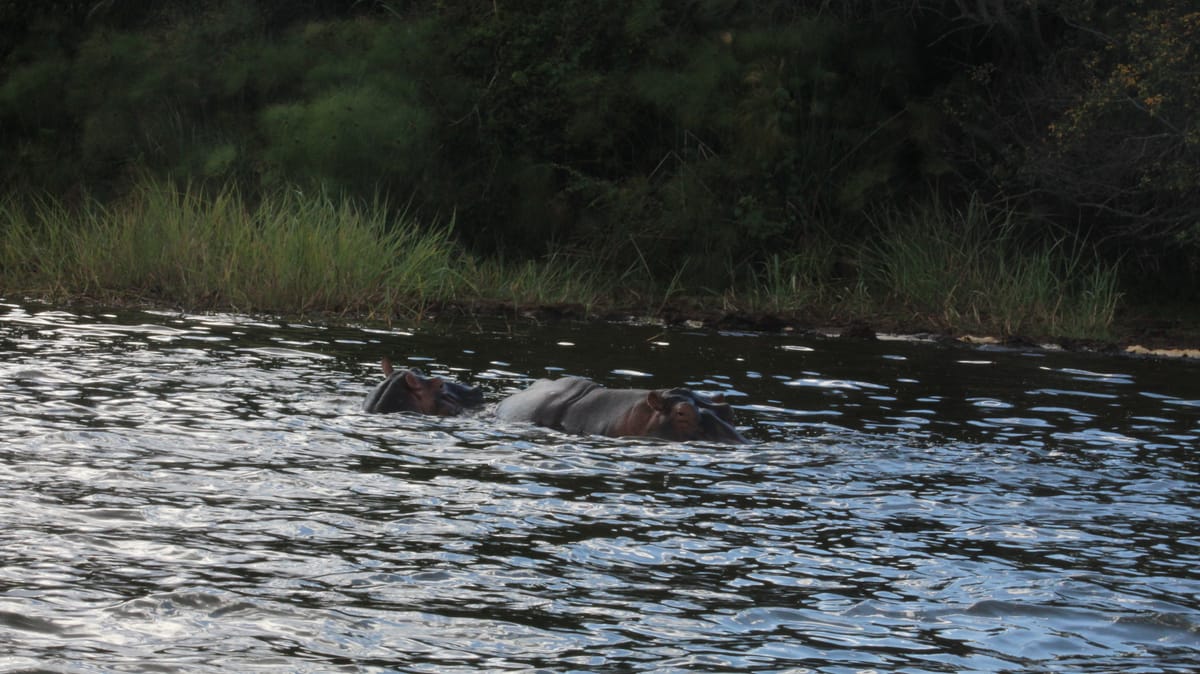
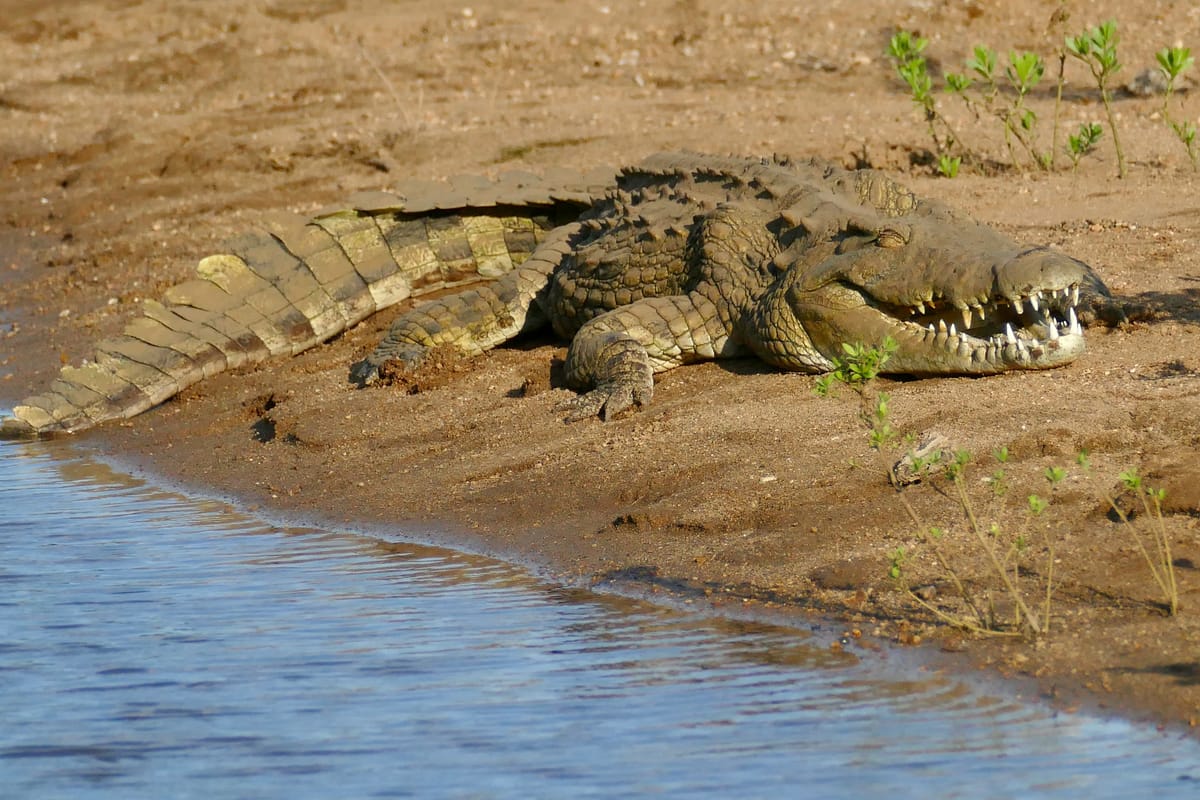
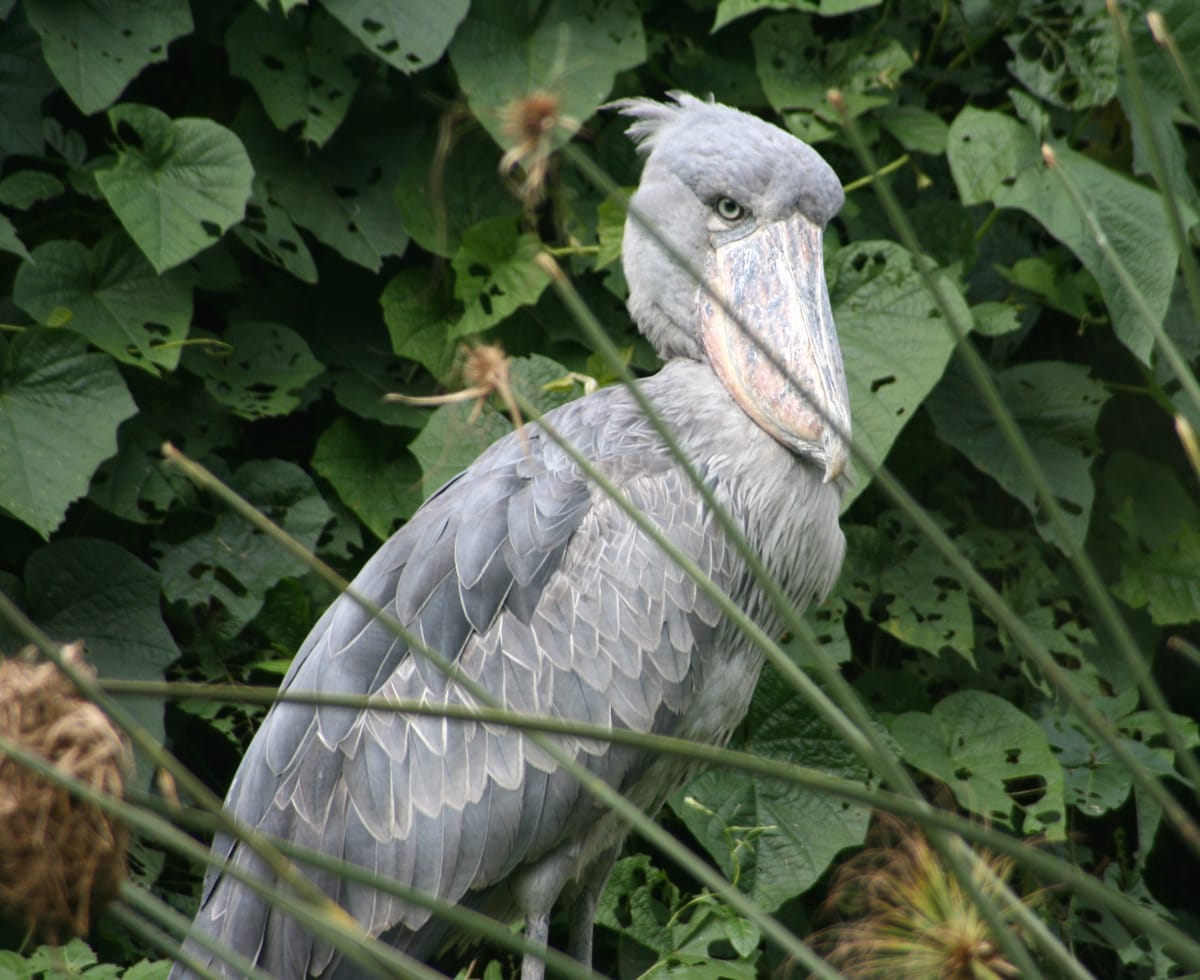
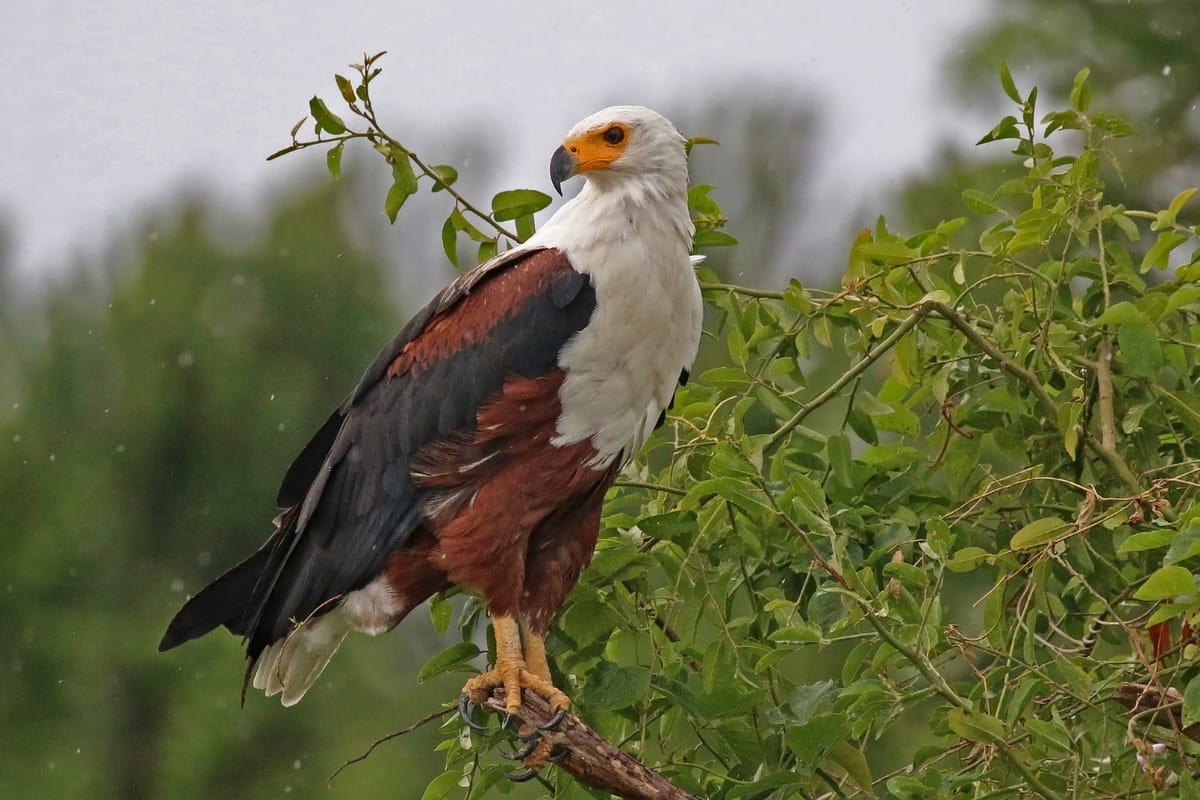
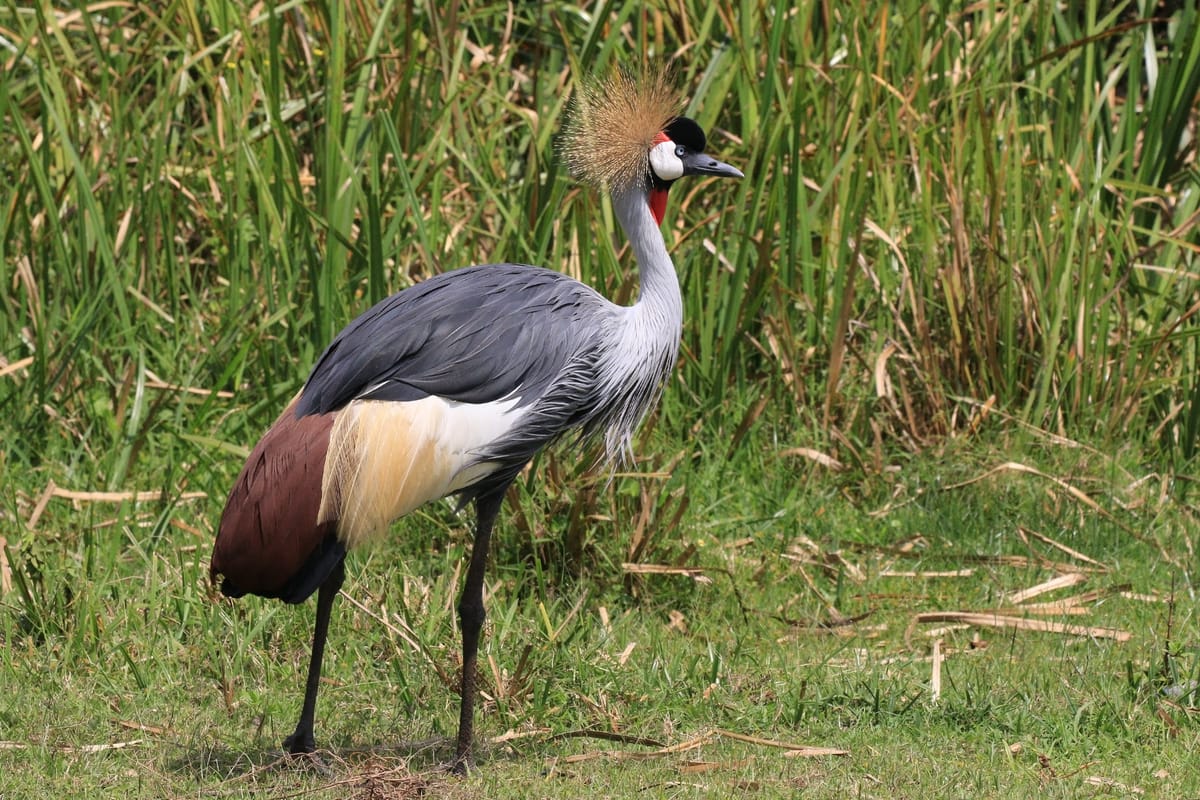
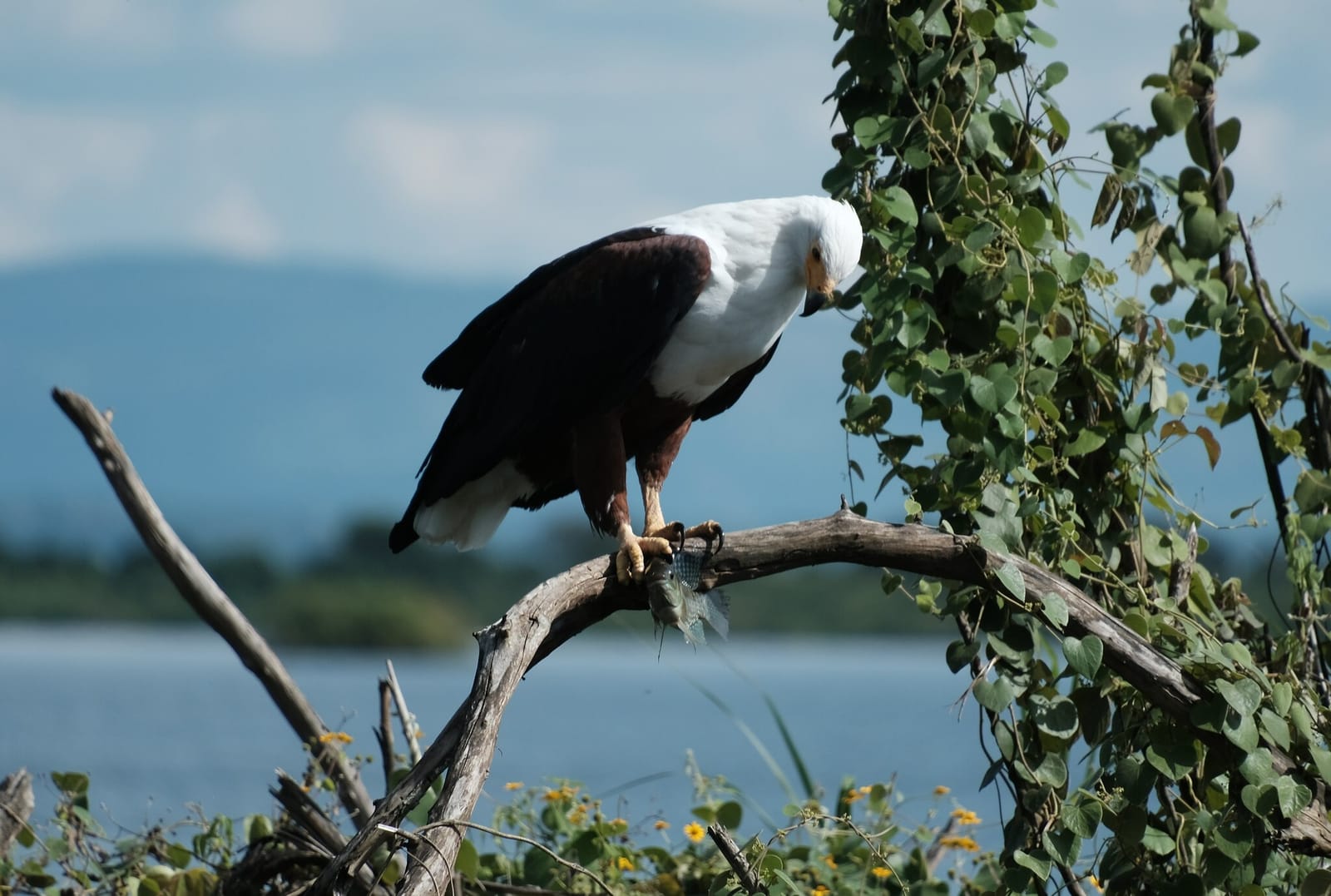
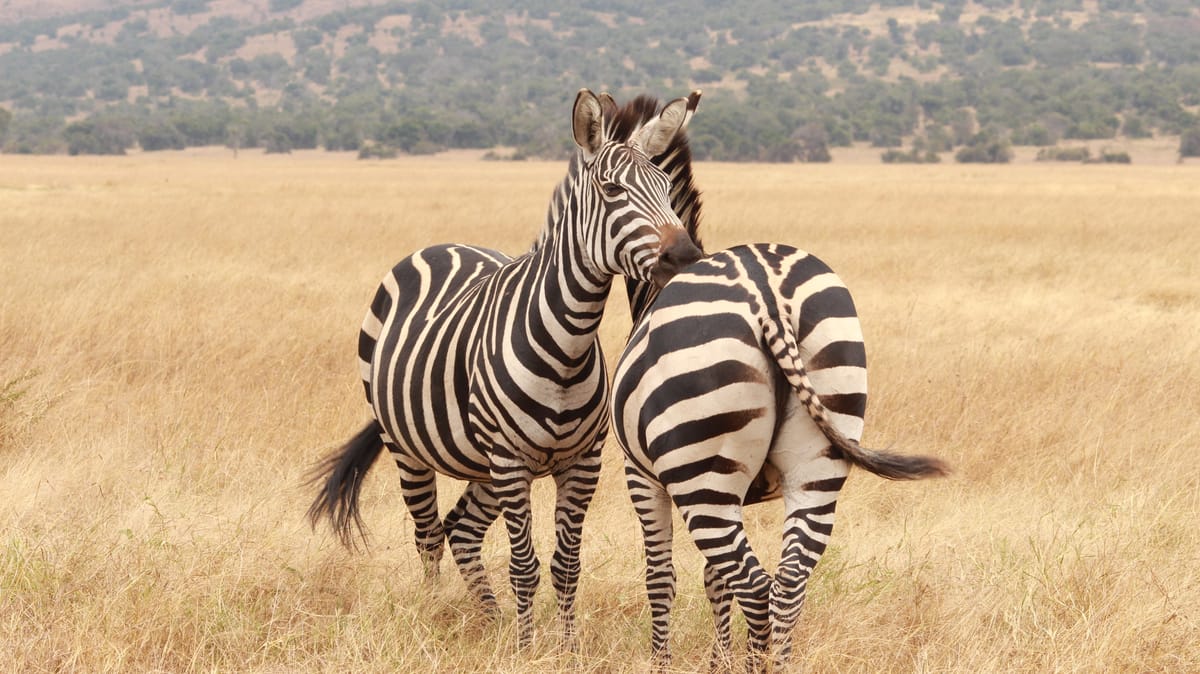
The park is fenced along its western boundary and intensively protected, and the population has grown steadily since 2010. Around 12,000 large animals now live here, including all of the Big Five, and the bird list of nearly 490 species is one of the richest in the region.
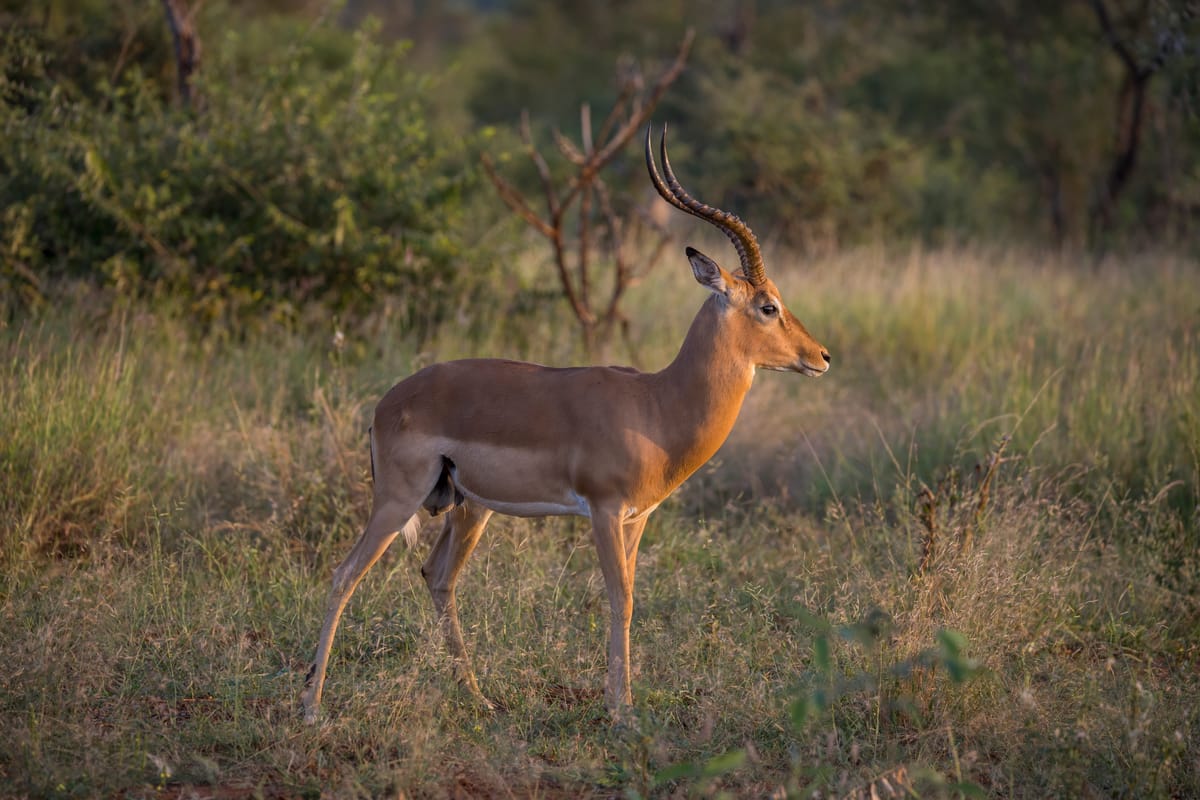
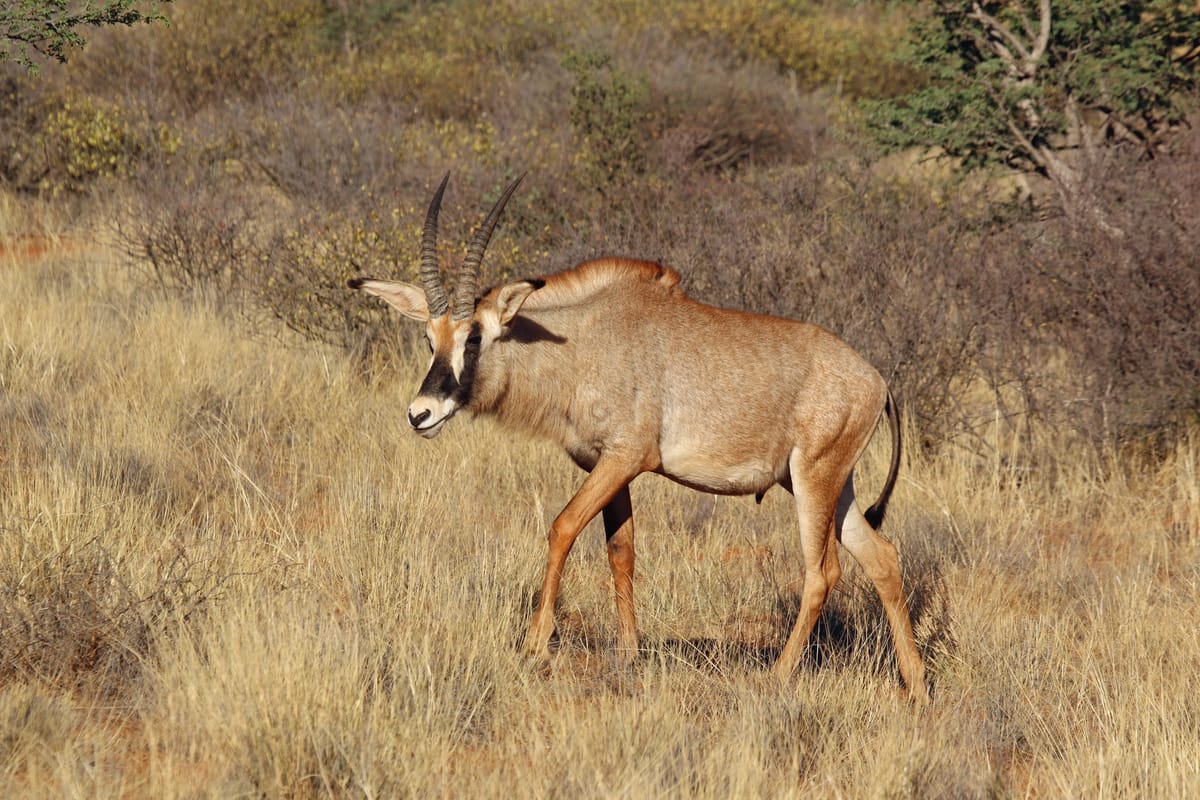
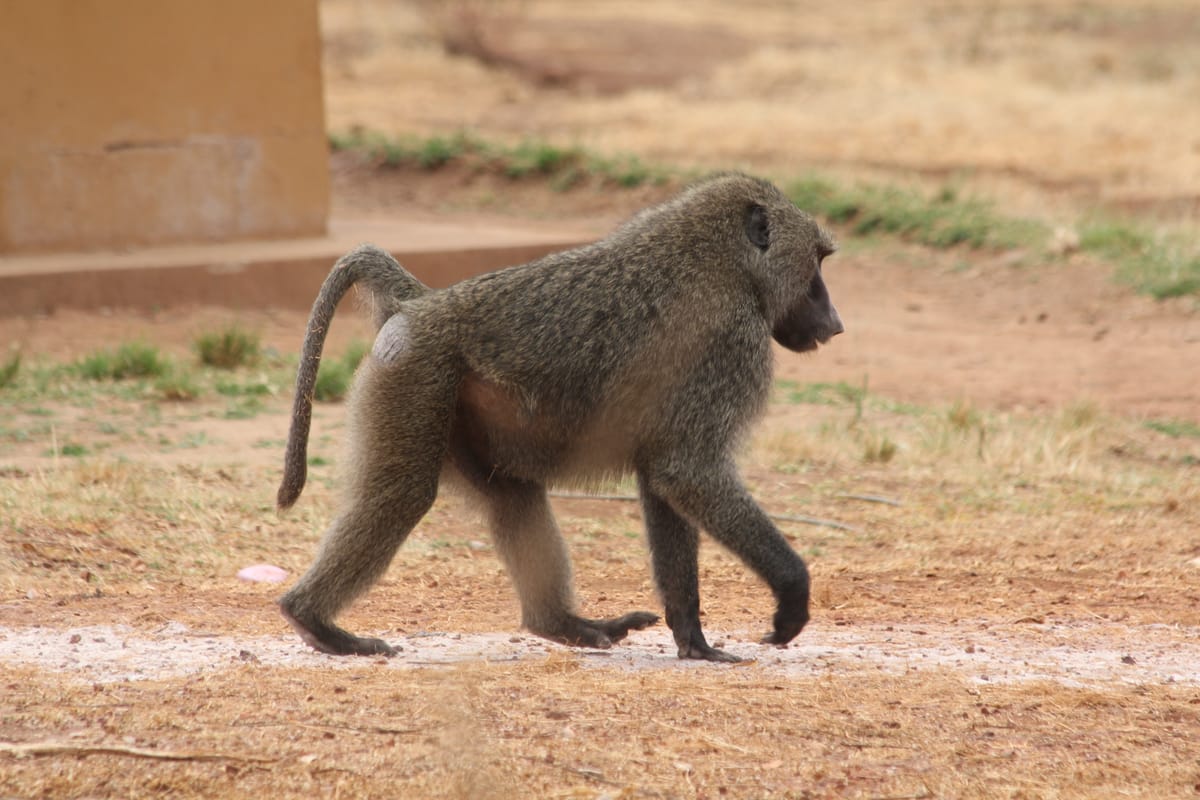
Below is an honest guide to what you can expect. We have marked each species with a realistic likelihood of seeing it on a normal two-day visit — because managing expectations is what separates a great safari from a disappointing one.